
Benefits of Integrating Rigid Flex Circuit Boards in IoT Devices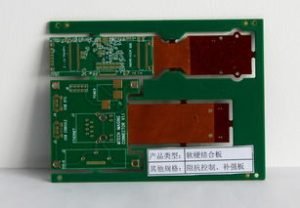
The Internet of Things (IoT) has revolutionized the way we interact with technology, allowing for seamless connectivity between devices and the physical world.
As IoT devices become more prevalent in our daily lives, the need for advanced technology to support their functionality has become increasingly important.
One such technology that is poised to play a crucial role in the future of IoT is rigid flex circuit boards.
Rigid flex circuit boards combine the benefits of both rigid and flexible circuit boards, offering a unique solution for IoT devices that require both durability and flexibility.
By integrating rigid flex circuit boards into IoT devices, manufacturers can achieve enhanced performance, improved reliability, and increased design flexibility.
One of the key benefits of integrating rigid flex circuit boards in IoT devices is their ability to withstand harsh environmental conditions.
Traditional rigid circuit boards are prone to damage from vibration, shock, and temperature fluctuations, which can be common in IoT applications.
Rigid flex circuit boards, on the other hand, are designed to be more durable and reliable, making them ideal for use in rugged IoT devices that operate in challenging environments.
In addition to their durability, rigid flex circuit boards offer increased design flexibility for IoT devices.
The unique construction of rigid flex boards allows for complex designs that would be difficult or impossible to achieve with traditional rigid or flexible circuit boards.
This flexibility enables manufacturers to create smaller, lighter, and more compact IoT devices without sacrificing performance or reliability.
Furthermore, integrating rigid flex circuit boards in IoT devices can lead to improved signal integrity and reduced electromagnetic interference.
The rigid portions of the board provide a stable platform for components, while the flexible portions allow for greater freedom in routing signals.
This results in better signal quality and reduced interference, ultimately leading to improved performance and reliability for IoT devices.
Another advantage of using rigid flex circuit boards in IoT devices is their potential for cost savings.
While the initial cost of rigid flex boards may be higher than traditional circuit boards, the long-term benefits can outweigh the upfront investment.
The durability and reliability of rigid flex boards can reduce the need for frequent repairs or replacements, saving manufacturers time and money in the long run.
Overall, the integration of rigid flex circuit boards in IoT devices offers a wide range of benefits, including enhanced performance, improved reliability, increased design flexibility, and potential cost savings.
As the demand for IoT devices continues to grow, manufacturers will need to embrace advanced technologies like rigid flex circuit boards to stay competitive in the market.
In conclusion, the future of IoT is bright, with rigid flex circuit boards playing a crucial role in enhancing the performance and reliability of IoT devices.
By leveraging the unique benefits of rigid flex technology, manufacturers can create innovative and durable IoT devices that meet the demands of today’s connected world.
As technology continues to evolve, the integration of rigid flex circuit boards will be essential for driving the next wave of IoT innovation.