
Benefits of Using Rigid Flex PCBs in IoT Devices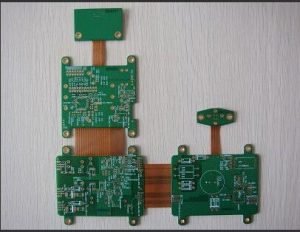
The Internet of Things (IoT) has revolutionized the way we interact with technology, allowing for seamless connectivity between devices and systems.
As IoT solutions continue to evolve and expand, the demand for more advanced and efficient printed circuit boards (PCBs) has also increased.
Rigid flex PCBs have emerged as a popular choice for IoT devices due to their unique design and numerous benefits.
One of the key advantages of using rigid flex PCBs in IoT devices is their ability to enhance connectivity.
Traditional PCBs are limited in terms of flexibility and durability, which can be a hindrance when designing compact and complex IoT devices.
Rigid flex PCBs, on the other hand, offer a combination of rigid and flexible layers that allow for greater design flexibility and reliability.
This means that IoT devices can be more compact and lightweight, while still maintaining high levels of performance and connectivity.
In addition to enhancing connectivity, rigid flex PCBs also offer improved signal integrity.
The flexible layers in rigid flex PCBs help to reduce signal interference and noise, resulting in more reliable and stable connections between components.
This is crucial for IoT devices, which rely on consistent and accurate data transmission to function properly.
By using rigid flex PCBs, manufacturers can ensure that their IoT devices perform at optimal levels and deliver a seamless user experience.
Furthermore, rigid flex PCBs are also more durable and resistant to environmental factors compared to traditional PCBs.
IoT devices are often used in harsh and demanding environments, such as industrial settings or outdoor applications.
Rigid flex PCBs are designed to withstand extreme temperatures, moisture, and vibration, making them ideal for use in rugged IoT devices.
This increased durability not only extends the lifespan of IoT devices but also reduces the need for frequent maintenance and repairs.
Another benefit of using rigid flex PCBs in IoT devices is their cost-effectiveness.
While the initial cost of manufacturing rigid flex PCBs may be higher than traditional PCBs, the long-term savings can be significant.
Rigid flex PCBs require fewer components and connectors, which reduces assembly time and labor costs.
Additionally, the improved reliability and durability of rigid flex PCBs result in fewer warranty claims and returns, saving manufacturers money in the long run.
Overall, the impact of rigid flex PCBs on IoT solutions is undeniable.
These advanced PCBs offer a range of benefits, from enhanced connectivity and signal integrity to improved durability and cost-effectiveness.
As the demand for more sophisticated and reliable IoT devices continues to grow, rigid flex PCBs will play a crucial role in shaping the future of connectivity and technology.
By incorporating rigid flex PCBs into their designs, manufacturers can create innovative and high-performance IoT devices that meet the needs of today’s connected world.