
Benefits of Using Rigid Flex PCBs for Compact Design in Smart Devices
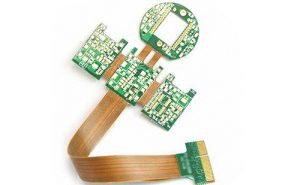
In the ever-evolving world of technology, the demand for smaller, lighter, and more powerful smart devices continues to grow.
As consumers seek out devices that are not only sleek and stylish but also highly functional, manufacturers are constantly looking for ways to meet these demands.
One solution that has gained popularity in recent years is the use of rigid flex PCBs in the design of smart devices.
Rigid flex PCBs, or rigid-flexible printed circuit boards, offer a unique combination of flexibility and rigidity that allows for a more compact design in smart devices.
By combining the benefits of both rigid and flexible PCBs, manufacturers are able to create devices that are not only smaller and lighter but also more durable and reliable.
One of the key benefits of using rigid flex PCBs in smart devices is the ability to reduce the overall size and weight of the device.
Traditional PCBs are made up of multiple layers of rigid material, which can take up a significant amount of space within the device.
In contrast, rigid flex PCBs are made up of a combination of rigid and flexible materials, allowing for a more compact design that takes up less space.
This reduction in size and weight is particularly important in smart devices, where portability and convenience are key factors for consumers.
By using rigid flex PCBs, manufacturers are able to create devices that are not only smaller and lighter but also more comfortable to carry and use on a daily basis.
In addition to reducing the overall size and weight of smart devices, rigid flex PCBs also offer other benefits that make them an attractive option for manufacturers.
One such benefit is increased durability and reliability. The flexible nature of rigid flex PCBs allows them to withstand bending and twisting without breaking, making them more resistant to damage from everyday wear and tear.
This increased durability and reliability is particularly important in smart devices, which are often subjected to a high level of physical stress during everyday use.
By using rigid flex PCBs, manufacturers can create devices that are more robust and long-lasting, reducing the need for repairs and replacements.
Another benefit of using rigid flex PCBs in smart devices is improved signal integrity. The flexible nature of rigid flex PCBs allows for tighter routing of traces, resulting in shorter signal paths and reduced signal loss.
This can lead to improved performance and reliability in smart devices, ensuring that they operate at their full potential.
Overall, the use of rigid flex PCBs in the design of smart devices offers a wide range of benefits that make them an attractive option for manufacturers.
From reducing the overall size and weight of devices to increasing durability, reliability, and signal integrity, rigid flex PCBs provide a versatile and effective solution for creating compact and high-performing smart devices.
As technology continues to advance, it is likely that we will see an increasing number of smart devices utilizing rigid flex PCBs to meet the demands of consumers for smaller, lighter, and more powerful devices.