
Benefits of Using Rigid Flex PCBs for Advanced Technologies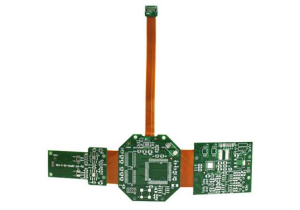
Support for Advanced Technologies: Rigid flex PCBs can support advanced technologies like 5G, AI, and machine learning, which are increasingly integrated into smart devices.
In today’s fast-paced technological landscape, the demand for advanced technologies such as 5G, artificial intelligence (AI), and machine learning is on the rise.
These technologies are revolutionizing the way we interact with smart devices, from smartphones to wearable gadgets.
To support the integration of these advanced technologies, manufacturers are turning to rigid flex PCBs.
Rigid flex PCBs offer a unique combination of flexibility and durability, making them ideal for applications that require complex designs and high reliability.
Unlike traditional rigid PCBs, which are made of rigid materials such as fiberglass or epoxy, rigid flex PCBs combine flexible circuit materials with rigid substrates to create a versatile and reliable solution for advanced technologies.
One of the key benefits of using rigid flex PCBs for advanced technologies is their ability to support high-speed data transmission.
With the rollout of 5G networks, the demand for faster and more reliable data transfer speeds is greater than ever.
Rigid flex PCBs are designed to minimize signal loss and interference, making them ideal for high-speed applications such as 5G-enabled devices.
In addition to supporting high-speed data transmission, rigid flex PCBs are also well-suited for applications that require high-density interconnects.
As AI and machine learning algorithms become more complex, the need for densely packed components and intricate circuit designs is increasing.
Rigid flex PCBs offer a compact and efficient solution for integrating these advanced technologies into smart devices.
Furthermore, rigid flex PCBs are highly durable and resistant to environmental factors such as temperature fluctuations and moisture.
This makes them ideal for applications that require reliable performance in harsh conditions, such as industrial automation systems or outdoor sensors.
By using rigid flex PCBs, manufacturers can ensure that their advanced technologies will continue to function optimally in challenging environments.
Another benefit of using rigid flex PCBs for advanced technologies is their ability to reduce overall system weight and size.
By combining the flexibility of a flexible circuit with the rigidity of a traditional PCB, rigid flex PCBs allow for more compact and lightweight designs.
This is particularly important for portable devices such as smartphones and wearable gadgets, where space and weight constraints are critical factors.
In conclusion, rigid flex PCBs offer a range of benefits for supporting advanced technologies such as 5G, AI, and machine learning.
From high-speed data transmission to high-density interconnects, these versatile circuit boards are well-suited for a wide range of applications.
With their durability, reliability, and compact design, rigid flex PCBs are an ideal solution for manufacturers looking to integrate advanced technologies into smart devices.
As the demand for advanced technologies continues to grow, rigid flex PCBs will play a crucial role in enabling the next generation of smart devices.