
Seamless Integration of Sensors and Components for Smart Devices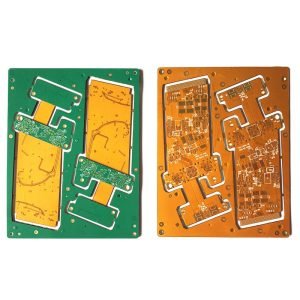
In the world of smart devices, seamless integration of sensors and components is crucial for their functionality.
These devices rely on a variety of sensors to collect data and perform tasks, such as monitoring temperature, detecting motion, or measuring light levels.
Without these sensors, smart devices would not be able to perform their intended functions effectively.
One of the key benefits of smart devices is their ability to connect and communicate with other devices and systems.
This connectivity allows for a wide range of applications, from home automation to industrial monitoring.
However, in order for smart devices to communicate effectively, they must be able to integrate seamlessly with sensors and other components.
The ease of integration is a major factor in the success of smart devices.
Manufacturers must ensure that their devices are compatible with a wide range of sensors and components, in order to provide users with a seamless experience.
This requires careful design and engineering, to ensure that the devices can communicate effectively with the sensors and components they rely on.
One of the challenges in integrating sensors and components into smart devices is the wide range of technologies and protocols that are used in the industry.
Different sensors may use different communication protocols, such as Bluetooth, Wi-Fi, or Zigbee.
In order to ensure compatibility, manufacturers must design their devices to support a wide range of protocols, or provide adapters that allow different sensors to communicate with the device.
Another challenge in integrating sensors and components is the physical design of the device.
Smart devices are often small and compact, which can make it difficult to fit all the necessary sensors and components into the device.
Manufacturers must carefully design the layout of the device, to ensure that all the necessary components can fit without interfering with each other.
Despite these challenges, manufacturers have made great strides in improving the ease of integration for smart devices.
Many devices now come with built-in support for a wide range of sensors and components, making it easier for users to add new sensors and expand the functionality of their devices.
In addition, manufacturers are developing new technologies, such as modular designs and plug-and-play interfaces, that make it easier to add and remove sensors and components as needed.
Overall, the ease of integration is a key factor in the success of smart devices.
By ensuring that devices can seamlessly integrate with sensors and components, manufacturers can provide users with a more versatile and functional product.
As technology continues to evolve, we can expect to see even greater improvements in the ease of integration for smart devices, making them even more useful and convenient for users.