
Advancements in Manufacturing Technologies for Rigid Flex PCB Production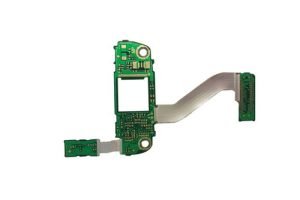
The global market demand for smart devices has been steadily increasing over the years, driven by the growing need for connectivity and convenience in our daily lives.
As a result, the production of rigid flex PCBs, which are essential components in these devices, has also seen a significant uptick.
Rigid flex PCBs offer a combination of the flexibility of flexible PCBs and the durability of rigid PCBs, making them ideal for use in devices that require both flexibility and reliability.
With the rise in demand for rigid flex PCBs, manufacturers have been investing in advancements in manufacturing technologies to meet the growing needs of the market.
One of the key advancements in manufacturing technologies for rigid flex PCB production is the use of automated assembly processes.
Automation allows for faster and more efficient production, reducing the time and cost involved in manufacturing rigid flex PCBs.
This, in turn, enables manufacturers to meet the increasing demand for these components in a timely manner.
Another important advancement in manufacturing technologies for rigid flex PCB production is the development of new materials and processes.
Innovations in materials science have led to the creation of new materials that offer improved performance and reliability in rigid flex PCBs.
These new materials allow for greater flexibility and durability, making rigid flex PCBs more versatile and reliable than ever before.
In addition, advancements in manufacturing processes have made it possible to produce rigid flex PCBs with higher precision and accuracy,
ensuring that each component meets the strict quality standards required for use in smart devices.
Furthermore, advancements in manufacturing technologies have also led to improvements in the design and layout of rigid flex PCBs.
Design software and tools have become more sophisticated, allowing manufacturers to create complex and intricate designs that were previously not possible.
This has enabled manufacturers to produce rigid flex PCBs that are smaller, lighter, and more efficient, meeting the demands of the ever-evolving smart device market.
In addition to advancements in manufacturing technologies, the increasing demand for rigid flex PCBs has also led to improvements in testing and quality control processes.
Manufacturers are now able to conduct more rigorous testing and inspection of rigid flex PCBs, ensuring that each component meets the highest standards of quality and reliability.
This has helped to reduce the number of defects and failures in rigid flex PCBs, leading to greater customer satisfaction and trust in the products.
Overall, the increasing demand for smart devices worldwide has driven the growth of rigid flex PCB production, leading to advancements in manufacturing technologies that have revolutionized the industry.
With automated assembly processes, new materials and processes, improved design and layout capabilities, and enhanced testing and quality control processes, manufacturers are now able to produce rigid flex PCBs that are more reliable, efficient, and versatile than ever before. As the smart device market continues to expand, we can expect to see even more advancements in manufacturing technologies for rigid flex PCB production, further driving innovation and growth in the industry.