
Benefits of Using Flex Rigid PCBs in Electronic Design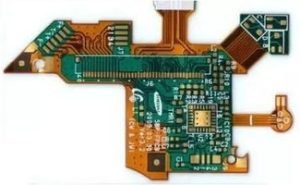
Flex rigid PCBs, also known as flexible printed circuit boards, are becoming increasingly popular in electronic design due to their numerous benefits.
These boards offer a combination of flexibility and rigidity, allowing for more complex and compact designs in electronic devices.
In this article, we will discuss some important design considerations when working with flex rigid PCBs.
One of the key benefits of using flex rigid PCBs is their ability to reduce the overall size and weight of electronic devices.
By incorporating flexible sections into the design, engineers can create more compact and lightweight products without sacrificing functionality.
This is especially important in industries where space is limited, such as wearable technology and medical devices.
Another advantage of flex rigid PCBs is their durability and reliability. Traditional rigid PCBs are prone to damage from bending and twisting, which can lead to broken connections and malfunctioning devices.
Flex rigid PCBs, on the other hand, are designed to withstand repeated flexing and bending without compromising performance.
This makes them ideal for applications where the board may be subject to mechanical stress or vibration.
When designing a flex rigid PCB, it is important to consider the materials used in the construction of the board.
The flexible sections of the board are typically made from polyimide, a durable and heat-resistant material that can withstand high temperatures without deforming.
The rigid sections are usually made from FR4, a common substrate material used in traditional PCBs.
By carefully selecting the right materials for each section of the board, engineers can ensure that the flex rigid PCB will perform reliably in a variety of conditions.
In addition to material selection, designers must also consider the layout of the board when working with flex rigid PCBs.
The flexible sections of the board must be carefully positioned to allow for bending and flexing without causing stress on the components or connections.
This requires careful planning and coordination between the mechanical and electrical design teams to ensure that the board will function properly once assembled.
Another important consideration when designing flex rigid PCBs is the routing of traces and vias.
The flexible sections of the board may require special routing techniques to accommodate the bending and flexing of the board.
Engineers must carefully plan the placement of traces and vias to ensure that they will not be damaged or compromised during operation.
This may require the use of curved traces, staggered vias, or other innovative routing techniques to ensure the reliability of the board.
In conclusion, flex rigid PCBs offer a number of benefits for electronic design, including reduced size and weight, increased durability, and improved reliability.
When working with flex rigid PCBs, designers must carefully consider the materials used, the layout of the board, and the routing of traces and vias to ensure that the board will perform reliably in a variety of conditions.
By taking these design considerations into account, engineers can create innovative and reliable electronic devices that meet the demands of today’s technology-driven world.