
Benefits of Using Rigid Flex Assembly in Electronic Devices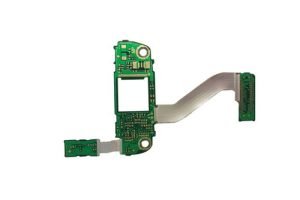
Rigid flex assembly is a technology that combines the benefits of both rigid and flexible printed circuit boards (PCBs) in one package. This innovative approach allows for greater design flexibility and reliability in electronic devices. In this article, we will provide an overview of the materials and components used in rigid flex assembly, as well as the benefits of using this technology in electronic devices.
One of the key components of rigid flex assembly is the rigid PCB. Rigid PCBs are made of a solid substrate material, such as fiberglass, that provides a stable base for mounting electronic components. These boards are typically used for components that require a high level of precision and stability, such as microprocessors and memory chips.
In contrast, flexible PCBs are made of a flexible substrate material, such as polyimide, that allows the board to bend and twist without breaking. These boards are ideal for applications where space is limited or where the board needs to conform to a specific shape, such as in wearable devices or medical implants.
Rigid flex assembly combines these two types of PCBs into a single package, allowing for greater design flexibility and reliability. The rigid sections provide a stable base for mounting components, while the flexible sections allow the board to bend and twist as needed. This technology is ideal for applications where space is limited or where the board needs to conform to a specific shape.
In addition to the materials used in rigid flex assembly, there are also a number of components that are commonly used in these boards. These components include connectors, vias, and traces, which are used to connect the various sections of the board together. Connectors are used to attach the rigid and flexible sections of the board, while vias are used to create electrical connections between different layers of the board. Traces are used to carry electrical signals between components on the board.
One of the key benefits of using rigid flex assembly in electronic devices is the increased reliability and durability of the boards. Because the boards are made of both rigid and flexible materials, they are less likely to break or fail under stress. This makes them ideal for applications where the board needs to withstand harsh environments or repeated bending and twisting.
Another benefit of using rigid flex assembly is the increased design flexibility that it provides. Because the boards can bend and twist as needed, designers have more freedom to create innovative and compact designs. This can lead to smaller and lighter electronic devices that are easier to manufacture and assemble.
Overall, rigid flex assembly is a versatile and reliable technology that offers a number of benefits for electronic devices. By combining the benefits of both rigid and flexible PCBs, this technology provides increased design flexibility and reliability, making it ideal for a wide range of applications. Whether you are designing a wearable device, a medical implant, or a consumer electronics product, rigid flex assembly can help you create a more reliable and innovative product.