
Benefits of Rigid Flex PCBs
Printed circuit boards (PCBs) are an essential component in the electr
onics industry, serving as the backbone for cou
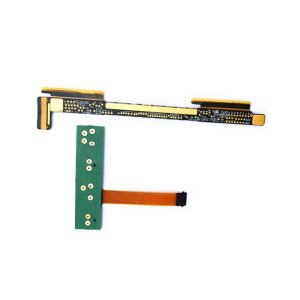
ntless devices we use in our daily lives. Traditionally, PCBs have been rigid, meaning they are inflexible and cannot be bent or twisted.
However, with advancements in technology, a new type of PCB has emerged – the rigid flex PCB. Rigid flex PCBs combine the best of both worlds,
offering the flexibility of a flexible PCB with the durability of a rigid PCB. In this article, we will explore the benefits of rigid flex PCBs compared to traditional PCBs.
One of the key advantages of rigid flex PCBs is their ability to reduce the overall size and weight of a device.
Traditional PCBs require additional connectors and cables to connect different components, which can take up valuable space and add unnecessary weight. Rigid flex PCBs,
on the other hand, eliminate the need for connectors and cables by integrating them directly into the board. This not only saves space but also reduces the risk of connection
failures due to loose or damaged cables.
Another benefit of rigid flex PCBs is their improved reliability and durability. Traditional PCBs are prone to damage from bending, twisting, and vibration, which can lead to
electrical failures and malfunctions. Rigid flex PCBs, with their combination of rigid and flexible layers, are better equipped to withstand these stresses.
This makes them ideal for applications where the board may be subjected to harsh environments or frequent movement.
In addition to their physical durability, rigid flex PCBs also offer improved electrical performance. The flexible layers in a rigid flex PCB allow for tighter routing of traces and vias,
reducing signal interference and improving signal integrity. This results in better overall performance and reliability of the device.
Furthermore, rigid flex PCBs are more cost-effective in the long run. While the initial cost of manufacturing rigid flex PCBs may be higher than traditional PCBs, the savings in space, weight, and maintenance can outweigh this initial investment. Additionally, the improved reliability and durability of rigid flex PCBs can lead to fewer repairs and replacements, saving both time and money in the long term.
Overall, the benefits of rigid flex PCBs make them a superior choice for many applications in the electronics industry. Their ability to reduce size and weight, improve
reliability and durability, enhance electrical performance, and save costs make them a valuable investment for manufacturers looking to stay ahead in a competitive market.
In conclusion, rigid flex PCBs offer a number of advantages over traditional PCBs, making them an attractive option for a wide range of applications.
As technology continues to evolve, rigid flex PCBs will likely become even more prevalent in the electronics industry, driving innovation and pushing the boundaries of what is possible.