
Benefits of Rigid Flex Assembly in Electronics Manufacturing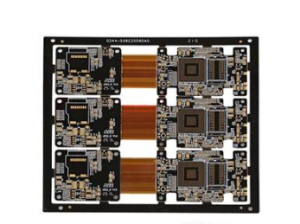
Rigid flex assembly is a critical process in electronics manufacturing that offers numerous benefits for companies looking to create high-quality, reliable products. By combining the flexibility of flexible circuits with the durability of rigid boards, rigid flex assembly allows for the creation of complex, compact electronic devices that can withstand the rigors of everyday use.
One of the key benefits of rigid flex assembly is its ability to reduce the overall size and weight of electronic devices. By eliminating the need for bulky connectors and cables, rigid flex assemblies can help companies create sleek, compact products that are easier to transport and use. This can be especially important for companies looking to create portable electronic devices, such as smartphones, tablets, and wearable technology.
In addition to reducing size and weight, rigid flex assembly can also improve the reliability and durability of electronic devices. By eliminating the need for soldered connections between rigid boards and flexible circuits, rigid flex assemblies can reduce the risk of mechanical failure and improve overall product longevity. This can be especially important for companies looking to create products that will be used in harsh environments or subjected to frequent wear and tear.
Another key benefit of rigid flex assembly is its ability to improve signal integrity and reduce electromagnetic interference. By integrating rigid boards and flexible circuits into a single, seamless assembly, companies can minimize signal loss and distortion, resulting in better overall performance for their electronic devices. This can be especially important for companies looking to create high-speed, high-frequency electronic products, such as data servers, networking equipment, and medical devices.
Despite these numerous benefits, successful rigid flex assembly requires careful planning and attention to detail. Companies must consider a variety of factors when designing and manufacturing rigid flex assemblies, including material selection, design considerations, and assembly techniques.
By taking these key considerations into account, companies can ensure that their rigid flex assemblies meet their performance and reliability requirements.
When selecting materials for rigid flex assemblies, companies must consider factors such as flexibility, durability, and thermal stability.
Flexible circuits are typically made from materials such as polyimide or polyester, which offer excellent flexibility and resistance to heat and chemicals.
Rigid boards, on the other hand, are typically made from materials such as FR-4 or polyimide, which offer excellent mechanical strength and thermal stability. By selecting materials that are compatible with each other and with the intended application, companies can ensure that their rigid flex assemblies will perform reliably over time.
In addition to material selection, companies must also consider design considerations when creating rigid flex assemblies.
This includes factors such as bend radius, layer stackup, and trace routing, which can impact the overall performance and reliability of the assembly.
By working closely with experienced designers and engineers, companies can ensure that their rigid flex assemblies are optimized for their specific application and performance requirements.
Finally, companies must consider assembly techniques when manufacturing rigid flex assemblies. This includes factors such as soldering methods, component placement, and testing procedures, which can impact the overall quality and reliability of the assembly. By working with experienced assembly technicians and using state-of-the-art equipment, companies can ensure that their rigid flex assemblies are manufactured to the highest standards of quality and reliability.
In conclusion, rigid flex assembly offers numerous benefits for companies looking to create high-quality, reliable electronic products.
By reducing size and weight, improving reliability and durability, and enhancing signal integrity, rigid flex assemblies can help companies create products that meet the demands of today’s fast-paced, high-tech world. However, successful rigid flex assembly requires careful planning and attention to detail,
including material selection, design considerations, and assembly techniques. By taking these key considerations into account, companies can ensure that their rigid flex assemblies meet their performance and reliability requirements, helping them stay ahead of the competition in today’s competitive electronics market.