
Overcoming Design Challenges in Rigid Flex Assembly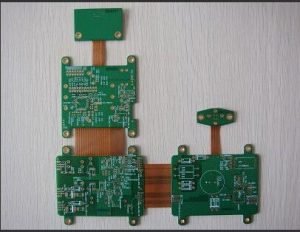
Rigid flex assembly is a complex process that combines the benefits of both rigid and flexible circuit boards.
This technology allows for greater design flexibility and reliability in electronic devices, making it a popular choice for a wide range of applications.
However, like any manufacturing process, rigid flex assembly comes with its own set of challenges that must be overcome to ensure a successful end product.
One of the main challenges in rigid flex assembly is designing the layout of the circuit boards to accommodate both rigid and flexible components.
This requires careful planning and coordination between the design and manufacturing teams to ensure that the boards can be assembled without causing stress or damage to the components. Additionally, the different materials used in rigid and flexible boards can present challenges in terms of thermal expansion and contraction, which can lead to reliability issues if not properly addressed.
To overcome these challenges, designers and engineers must work closely together to create a layout that minimizes stress on the components and allows for proper thermal management. This may involve using specialized materials or techniques to ensure that the boards can withstand the rigors of assembly and operation. Additionally, designers must consider the overall size and shape of the device, as well as any specific requirements for connectors or other components that may impact the layout of the boards.
Another challenge in rigid flex assembly is ensuring proper alignment and registration of the different layers of the circuit boards.
This is critical to ensure that the electrical connections between components are accurate and reliable. Misalignment or registration errors can
lead to faulty connections or short circuits, which can result in costly rework or even device failure.
To address this challenge, manufacturers use advanced imaging and alignment systems to ensure that the layers of the circuit boards are properly aligned during assembly. These systems use high-resolution cameras and precision alignment tools to ensure that each layer is positioned correctly before the boards are bonded together. Additionally, manufacturers may use specialized adhesives or bonding techniques to ensure that the layers are securely attached to each other, further reducing the risk of misalignment or registration errors.
In addition to layout and alignment challenges, rigid flex assembly also presents challenges in terms of testing and inspection.
Traditional testing methods may not be suitable for rigid flex boards, as the combination of rigid and flexible components can make it difficult to access and test all areas of the board. This can lead to incomplete or inaccurate testing results, which can impact the overall reliability of the device.
To overcome these challenges, manufacturers use specialized testing equipment and techniques to ensure that rigid flex boards are thoroughly tested and inspected before they are shipped to customers. This may involve using automated testing systems that can access all areas of the board, as well as advanced inspection tools that can detect defects or anomalies that may not be visible to the naked eye. Additionally, manufacturers may conduct rigorous reliability testing to ensure that the boards can withstand the rigors of operation in real-world conditions.
In conclusion, rigid flex assembly presents a unique set of challenges that must be overcome to ensure a successful end product.
By addressing layout, alignment, testing, and inspection challenges with careful planning and coordination, manufacturers can create reliable and high-quality rigid flex boards that meet the needs of a wide range of electronic devices. With the right expertise and technology, these challenges can be overcome, allowing manufacturers to take full advantage of the benefits of rigid flex assembly.