
Benefits of Using Rigid Flex PCBs in Electronic Devices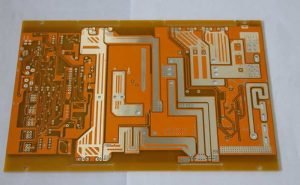
In the ever-evolving world of electronics, the demand for smaller, lighter, and more flexible devices continues to grow.
As a result, manufacturers are constantly seeking innovative solutions to meet these requirements.
One such solution that has gained popularity in recent years is the use of rigid flex PCBs in electronic devices.
Rigid flex PCBs, or rigid-flexible printed circuit boards, combine the best of both rigid and flexible PCBs into a single unit.
These boards consist of multiple layers of flexible circuit substrates attached to one or more rigid boards, allowing for increased flexibility and
durability while maintaining the structural integrity of the device.
One of the key benefits of using rigid flex PCBs in electronic devices is their ability to reduce the overall size and weight of the device.
By eliminating the need for bulky connectors and cables, rigid flex PCBs allow for a more compact and lightweight design, making them ideal
for applications where space is limited.
Additionally, rigid flex PCBs offer improved reliability and durability compared to traditional PCBs.
The flexible substrates used in rigid flex PCBs are designed to withstand bending and flexing without compromising the
integrity of the circuit, making them ideal for applications that require frequent movement or vibration.
Furthermore, rigid flex PCBs offer enhanced signal integrity and reduced electromagnetic interference (EMI) compared to traditional PCBs.
The rigid boards provide a stable platform for components, while the flexible substrates allow for precise routing of signals,
resulting in improved performance and reduced noise in the circuit.
Another advantage of using rigid flex PCBs in electronic devices is their cost-effectiveness.
While the initial manufacturing cost of rigid flex PCBs may be higher than traditional PCBs, the overall cost savings
in terms of reduced assembly time, lower material costs, and increased reliability make them a cost-effective solution in the long run.
Moreover, rigid flex PCBs offer design flexibility and customization options that are not possible with traditional PCBs.
Manufacturers can create complex and intricate designs with multiple layers and 3D configurations, allowing for greater functionality
and performance in electronic devices.
In conclusion, the role of rigid flex PCBs in modern electronics cannot be understated.
These innovative circuit boards offer a wide range of benefits, including reduced size and weight, improved reliability and
durability, enhanced signal integrity, reduced EMI, cost-effectiveness, and design flexibility. As the demand for smaller,
lighter, and more flexible electronic devices continues to grow, rigid flex PCBs will undoubtedly play a crucial role in shaping the future of electronics.