
Advantages of Using Rigid Flex PCBs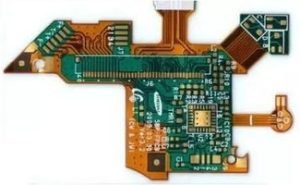
Printed circuit boards (PCBs) are an essential component in the world of electronics.
They provide a platform for connecting various electronic components and ensuring the smooth operation of devices.
Rigid flex PCBs are a type of PCB that combines the benefits of both rigid and flexible PCBs.
In this article, we will explore the advantages of using rigid flex PCBs in electronic devices.
One of the key benefits of rigid flex PCBs is their ability to reduce the overall size and weight of electronic devices.
By combining rigid and flexible sections in a single board, designers can create compact and lightweight PCBs that can fit into tight spaces.
This is particularly useful in devices where space is limited, such as smartphones, wearables, and medical devices.
In addition to their compact size, rigid flex PCBs also offer improved reliability compared to traditional PCBs.
The flexible sections of the board help to absorb mechanical stress and reduce the risk of damage from bending or twisting.
This makes rigid flex PCBs ideal for applications where the board may be subjected to physical stress, such as in automotive or aerospace applications.
Another advantage of using rigid flex PCBs is their ability to simplify the assembly process.
By combining rigid and flexible sections in a single board, designers can reduce the number of interconnects and solder joints required,
leading to a more streamlined assembly process. This can help to reduce manufacturing costs and improve overall product quality.
Rigid flex PCBs also offer improved signal integrity compared to traditional PCBs.
The rigid sections of the board provide a stable platform for high-speed signals, while the flexible sections help to reduce signal loss and
impedance mismatch. This can help to improve the performance of electronic devices, particularly those that rely on high-speed data transmission.
Furthermore, rigid flex PCBs offer greater design flexibility compared to traditional PCBs.
Designers can create complex and innovative board layouts by combining rigid and flexible sections in a single board.
This flexibility allows for more creative and efficient designs, leading to improved product performance and functionality.
In conclusion, rigid flex PCBs offer a range of benefits that make them an attractive choice for electronic device manufacturers.
From reducing size and weight to improving reliability and signal integrity, rigid flex PCBs offer a versatile and efficient solution for
a wide range of applications. By understanding the advantages of using rigid flex PCBs, designers can create innovative and
high-performance electronic devices that meet the demands of today’s fast-paced technology industry.