
Advanced Materials for Rigid Flex Assembly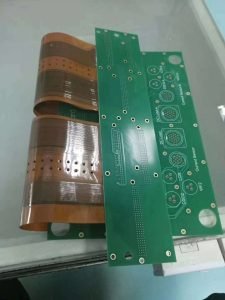
In the world of electronics manufacturing, rigid flex assembly techniques have become increasingly popular due to their ability to
combine the benefits of both rigid and flexible circuit boards. These innovative assemblies offer a unique solution for applications that require a combination of flexibility and durability. As technology continues to advance, so do the materials and techniques used in rigid flex assembly.
One of the key innovations in rigid flex assembly techniques is the use of advanced materials.
These materials are designed to meet the specific requirements of rigid flex assemblies, such as flexibility, durability, and reliability.
Some of the most commonly used materials in rigid flex assembly include polyimide, FR-4, and copper. These materials are chosen for their
ability to withstand the rigors of the assembly process and provide a reliable connection between the rigid and flexible components.
Polyimide is a popular choice for flexible circuit boards due to its high temperature resistance and flexibility.
It is often used as a substrate for flexible circuits and provides a reliable connection between the rigid and flexible components.
FR-4 is a common material used for rigid circuit boards due to its durability and electrical properties. When combined with polyimide,
FR-4 provides a strong and reliable connection between the rigid and flexible components.
Copper is another essential material in rigid flex assembly, as it is used for the conductive traces that connect the components on the circuit board.
Copper is chosen for its excellent conductivity and durability, making it an ideal choice for rigid flex assemblies. By using a combination of these materials, manufacturers can create rigid flex assemblies that are both flexible and durable, meeting the demands of modern electronics applications.
In addition to advanced materials, innovations in rigid flex assembly techniques also include new manufacturing processes.
One such process is laser drilling, which allows for precise drilling of small holes in the circuit board. This technique is essential for
creating the intricate patterns and connections required in rigid flex assemblies. Laser drilling also offers the advantage of producing clean and
precise holes without causing damage to the surrounding materials.
Another innovative technique in rigid flex assembly is the use of 3D printing. This technology allows manufacturers to create complex shapes
and designs that would be difficult or impossible to achieve with traditional manufacturing methods. 3D printing also offers the advantage of
reducing waste and increasing efficiency in the manufacturing process. By incorporating 3D printing into rigid flex assembly, manufacturers can
create custom designs that meet the specific requirements of their applications.
Overall, innovations in rigid flex assembly techniques are driving the advancement of electronics manufacturing. By using advanced materials and manufacturing processes, manufacturers can create rigid flex assemblies that are flexible, durable, and reliable. These assemblies offer a unique solution for applications that require a combination of flexibility and durability, making them an essential component of modern electronics. As technology continues to evolve, so too will the materials and techniques used in rigid flex assembly, ensuring that manufacturers can meet the demands of the ever-changing electronics industry.