
Benefits of Flex Rigid PCBs in Electronics Manufacturing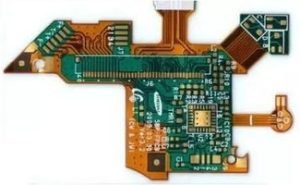
Flex rigid PCBs, also known as flexible printed circuit boards, have been revolutionizing the electronics industry in recent years.
These innovative circuit boards offer a unique combination of flexibility and rigidity, making them ideal for a wide range of applications.
From smartphones and wearables to automotive and aerospace systems, flex rigid PCBs are driving growth and innovation in the electronics manufacturing sector.
One of the key benefits of flex rigid PCBs is their ability to reduce space and weight in electronic devices.
Traditional rigid PCBs are limited by their flat, inflexible design, which can be bulky and cumbersome in compact devices.
Flex rigid PCBs, on the other hand, can be bent and twisted to fit into tight spaces, allowing for more compact and lightweight designs.
This flexibility in design opens up new possibilities for product development and allows manufacturers to create smaller, more portable devices.
In addition to their space-saving capabilities, flex rigid PCBs also offer improved reliability and durability. The flexible nature of these circuit boards allows them to withstand bending and twisting without compromising their performance. This makes them ideal for applications where the circuit board may be subject to mechanical stress or vibration, such as in automotive or aerospace systems. By using flex rigid PCBs, manufacturers can ensure that their products are more robust and reliable, leading to fewer failures and increased customer satisfaction.
Another advantage of flex rigid PCBs is their ability to simplify the assembly process. Traditional rigid PCBs require multiple boards and connectors to be soldered together, which can be time-consuming and labor-intensive. Flex rigid PCBs, on the other hand, are designed as a single, integrated unit, reducing the number of components that need to be assembled. This not only saves time and labor costs but also improves the overall quality and reliability of the final product.
Furthermore, flex rigid PCBs offer improved signal integrity and electrical performance. The flexible design of these circuit boards allows for tighter routing of traces and vias, reducing signal loss and interference. This results in better signal quality and faster data transmission speeds, making flex rigid PCBs ideal for high-speed and high-frequency applications. By using flex rigid PCBs, manufacturers can ensure that their products meet the stringent performance requirements of modern electronic devices.
Overall, flex rigid PCBs are driving growth and innovation in the electronics industry by offering a unique combination of flexibility, reliability, and performance. These circuit boards are revolutionizing the way electronic devices are designed and manufactured, allowing for smaller, lighter, and more reliable products. As technology continues to advance, flex rigid PCBs will play an increasingly important role in shaping the future of electronics manufacturing.