
Benefits of Using Flex PCBs in Assembly Process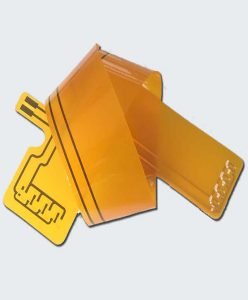
Flex PCBs, or flexible printed circuit boards, have become increasingly popular in the electronics industry due to their numerous benefits.
One of the key advantages of using flex PCBs in the assembly process is their flexibility, which allows for greater design freedom and the ability to create more compact and lightweight electronic devices. This flexibility also makes flex PCBs more durable and resistant to vibrations and mechanical stress, making them ideal for applications where reliability is crucial.
Another benefit of using flex PCBs in the assembly process is their ability to reduce the overall cost of production.
Flex PCBs are typically thinner and lighter than traditional rigid PCBs, which can lead to savings on materials and shipping costs.
Additionally, the flexibility of flex PCBs allows for more efficient use of space within a device, reducing the need for additional components and simplifying the assembly process. This can result in lower labor costs and faster production times, ultimately leading to a more cost-effective manufacturing process.
In addition to cost savings, using flex PCBs in the assembly process can also improve the performance of electronic devices.
The flexibility of flex PCBs allows for more efficient routing of signals and power, reducing signal loss and improving overall signal integrity.
This can result in better performance and reliability of electronic devices, making them more attractive to consumers.
Furthermore, flex PCBs are also more resistant to temperature fluctuations and environmental factors, making them ideal for use in harsh operating conditions. This can extend the lifespan of electronic devices and reduce the need for maintenance and repairs, further enhancing the overall efficiency of the assembly process.
To fully optimize the use of flex PCBs in the assembly process, there are several key steps that manufacturers can take.
One important consideration is the design of the flex PCB itself. By carefully designing the layout and routing of the PCB, manufacturers
can maximize the efficiency of the assembly process and ensure that the final product meets all performance and reliability requirements.
Another important factor to consider is the selection of materials for the flex PCB. Choosing high-quality materials that are compatible with the specific requirements of the electronic device can help to improve the overall performance and reliability of the device. Additionally, manufacturers should also consider the use of advanced manufacturing techniques, such as automated assembly processes, to further streamline production and reduce costs.
Overall, the benefits of using flex PCBs in the assembly process are clear. From cost savings and improved performance to increased durability and reliability, flex PCBs offer a wide range of advantages that can help manufacturers optimize their production processes and create more efficient and reliable electronic devices. By carefully considering the design, materials, and manufacturing techniques used in the assembly process, manufacturers can fully leverage the benefits of flex PCBs and create high-quality products that meet the demands of today’s competitive electronics market.