
Benefits of Integrating Rigid-Flexible PCBs with SMT Assembly Techniques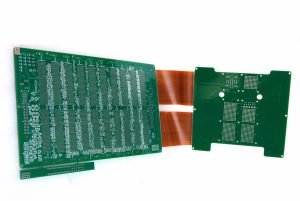
In the world of electronics manufacturing, the integration of rigid-flexible PCBs with surface mount technology (SMT) assembly techniques has become increasingly popular. This combination offers a wide range of benefits that can improve the performance, reliability, and efficiency of electronic devices.
In this article, we will explore some of the key advantages of integrating rigid-flexible PCBs with SMT assembly techniques.
One of the primary benefits of using rigid-flexible PCBs in conjunction with SMT assembly techniques is the ability to create more compact and lightweight electronic devices. Rigid-flexible PCBs allow for the integration of multiple PCBs into a single unit, reducing the need for bulky connectors and cables.
This not only saves space but also reduces the overall weight of the device, making it more portable and easier to handle.
Additionally, the use of rigid-flexible PCBs can improve the reliability of electronic devices. Traditional PCBs are prone to failure due to factors such as vibration, shock, and thermal expansion. Rigid-flexible PCBs, on the other hand, are more resistant to these types of stresses, making them ideal for use in applications where reliability is critical. By integrating rigid-flexible PCBs with SMT assembly techniques, manufacturers can create more durable and long-lasting electronic devices.
Another advantage of integrating rigid-flexible PCBs with SMT assembly techniques is the ability to streamline the manufacturing process.
SMT assembly techniques allow for the automated placement of components on the PCB, reducing the need for manual labor and increasing production efficiency. By combining this with the flexibility of rigid-flexible PCBs, manufacturers can create complex electronic devices with fewer components and fewer assembly steps, resulting in faster production times and lower costs.
Furthermore, the use of rigid-flexible PCBs in conjunction with SMT assembly techniques can improve the performance of electronic devices.
Rigid-flexible PCBs offer better signal integrity and reduced electromagnetic interference compared to traditional PCBs, resulting in improved overall performance. By integrating rigid-flexible PCBs with SMT assembly techniques, manufacturers can create electronic devices that operate more efficiently and reliably, meeting the demands of today’s technology-driven world.
In conclusion, the integration of rigid-flexible PCBs with SMT assembly techniques offers a wide range of benefits that can improve the performance, reliability, and efficiency of electronic devices. By creating more compact and lightweight devices, improving reliability, streamlining the manufacturing process, and enhancing performance, manufacturers can stay ahead of the competition and meet the demands of today’s fast-paced electronics industry. As technology continues to evolve, the integration of rigid-flexible PCBs with SMT assembly techniques will play an increasingly important role in the development of innovative electronic devices.