
Streamlining Production Processes for Rigid-Flexible PCB Manufacturing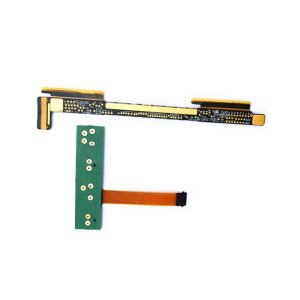
In the world of electronics manufacturing, efficiency is key. As technology continues to advance at a rapid pace, companies are constantly looking for ways to streamline their production processes in order to stay competitive. One area where efficiency can be greatly improved is in the manufacturing of rigid-flexible PCBs and surface mount technology (SMT) assembly.
Rigid-flex PCBs offer a number of advantages over traditional rigid PCBs, including reduced size and weight, increased reliability, and improved signal integrity. However, the manufacturing process for rigid-flex PCBs can be complex and time-consuming, requiring careful attention to detail at every step. By implementing a few key strategies, companies can enhance efficiency in the production of rigid-flex PCBs and SMT assembly.
One of the most important steps in streamlining production processes for rigid-flex PCB manufacturing is to carefully plan and optimize the design of the PCB itself. By working closely with design engineers and manufacturers early in the process, companies can identify potential issues and make necessary adjustments to ensure that the PCB can be manufactured efficiently. This can help to reduce the number of design iterations needed, saving time and money in the long run.
Another key strategy for enhancing efficiency in rigid-flex PCB manufacturing is to invest in advanced manufacturing equipment and technology.
By using state-of-the-art equipment, companies can increase throughput, reduce cycle times, and improve overall quality. Automated equipment can also help to reduce the risk of human error, leading to fewer defects and higher yields.
In addition to investing in advanced equipment, companies can also benefit from implementing lean manufacturing principles in their production processes. By eliminating waste, optimizing workflows, and continuously improving processes, companies can increase efficiency and reduce costs.
This can help to improve overall productivity and competitiveness in the market.
When it comes to SMT assembly, efficiency is equally important. SMT assembly involves placing surface mount components onto a PCB using automated equipment, and any inefficiencies in this process can lead to delays and increased costs. By carefully planning and optimizing the SMT assembly process, companies can improve efficiency and reduce the risk of errors.
One way to enhance efficiency in SMT assembly is to carefully select and optimize the placement of components on the PCB. By grouping components together based on their size, shape, and placement requirements, companies can reduce the number of machine movements needed and increase throughput. This can help to reduce cycle times and improve overall efficiency in the assembly process.
Another key strategy for enhancing efficiency in SMT assembly is to invest in advanced equipment and technology. By using high-speed pick-and-place machines, automated soldering equipment, and advanced inspection systems, companies can increase throughput, reduce defects, and improve overall quality. This can help to ensure that products are manufactured to the highest standards and meet customer expectations.
In conclusion, enhancing efficiency in rigid-flex PCB manufacturing and SMT assembly is essential for companies looking to stay competitive in the fast-paced world of electronics manufacturing. By carefully planning and optimizing the design of PCBs, investing in advanced equipment and technology, and implementing lean manufacturing principles, companies can streamline their production processes and improve overall efficiency. By taking these steps, companies can reduce costs, increase productivity, and deliver high-quality products to customers in a timely manner.