
Benefits of Using Rigid-Flexible PCBs in SMT Assembly
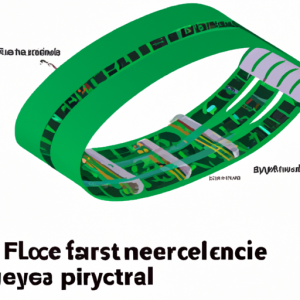
Rigid-flex PCBs have become increasingly popular in the electronics industry due to their ability to combine the benefits of both rigid and flexible PCBs.
These boards are designed to be more compact, lightweight, and durable than traditional PCBs, making them ideal for a wide range of applications.
One of the key advantages of using rigid-flex PCBs is their ability to maximize performance through surface mount technology (SMT) assembly.
SMT assembly is a popular method for assembling electronic components onto PCBs due to its efficiency, cost-effectiveness, and reliability.
By using rigid-flex PCBs in SMT assembly, manufacturers can take advantage of the unique design and construction of these boards to optimize
performance and functionality.
One of the main benefits of using rigid-flex PCBs in SMT assembly is their ability to reduce the overall size and weight of electronic devices.
Because rigid-flex PCBs combine rigid and flexible substrates into a single board, they can be designed to fit into tight spaces and conform to the shape
of the device. This allows manufacturers to create smaller, lighter, and more compact products without sacrificing performance or functionality.
In addition to their compact size and lightweight construction, rigid-flex PCBs also offer improved durability and reliability compared to traditional PCBs.
The flexible portions of the board are designed to withstand bending, twisting, and other forms of mechanical stress, making them ideal for applications where the board may be subjected to physical strain. This increased durability helps to extend the lifespan of electronic devices and reduce the need for costly repairs or replacements.
Furthermore, rigid-flex PCBs are also more resistant to environmental factors such as moisture, temperature fluctuations, and vibration.
This makes them ideal for use in harsh operating conditions where traditional PCBs may be prone to failure. By using rigid-flex PCBs in SMT assembly, manufacturers can ensure that their products will perform reliably and consistently in a wide range of environments.
Another key benefit of using rigid-flex PCBs in SMT assembly is their ability to improve signal integrity and reduce electromagnetic interference (EMI).
The unique design of rigid-flex PCBs allows for tighter control over signal paths and impedance matching, resulting in cleaner, more stable signals.
This can help to improve the overall performance of electronic devices and reduce the risk of signal degradation or interference.
Overall, the use of rigid-flex PCBs in SMT assembly offers a wide range of benefits for manufacturers looking to maximize performance and functionality in their electronic devices. From compact size and lightweight construction to improved durability and reliability, rigid-flex PCBs are an ideal choice for a variety of applications. By taking advantage of the unique design and construction of these boards, manufacturers can create high-quality products that meet the demands of today’s fast-paced electronics industry.