
Advantages of Using Rigid-Flexible PCBs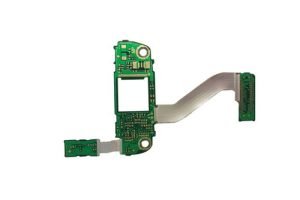
Rigid-flex PCBs, or rigid-flexible printed circuit boards, have become increasingly popular in the electronics industry due to their numerous advantages over traditional rigid PCBs. In this article, we will explore the benefits of using rigid-flex PCBs in various applications.
One of the main advantages of rigid-flex PCBs is their ability to reduce the overall size and weight of electronic devices.
By combining rigid and flexible PCBs into a single unit, designers can create more compact and lightweight products.
This is especially beneficial in applications where space is limited, such as in wearable devices, medical implants, and aerospace systems.
Another advantage of rigid-flex PCBs is their improved reliability and durability. The flexible sections of the PCBs help to absorb mechanical stresses and vibrations, reducing the risk of component failure due to bending or flexing. This makes rigid-flex PCBs ideal for applications that require high reliability and long-term performance, such as in automotive electronics and industrial control systems.
In addition, rigid-flex PCBs offer greater design flexibility compared to traditional rigid PCBs. Designers can create complex three-dimensional shapes and layouts with rigid-flex PCBs, allowing for more efficient use of space and improved signal integrity. This flexibility also enables designers to reduce the number of interconnects and solder joints, leading to lower assembly costs and improved overall performance.
Furthermore, rigid-flex PCBs can help to simplify the assembly process and reduce the number of interconnects, solder joints, and connectors required in a design. This can lead to faster production times, lower assembly costs, and improved overall reliability. Additionally, the reduced number of interconnects can help to improve signal integrity and reduce electromagnetic interference, resulting in better overall performance.
Overall, the advantages of using rigid-flex PCBs in electronic devices are clear. From reducing size and weight to improving reliability and durability, rigid-flex PCBs offer numerous benefits that make them an attractive choice for a wide range of applications. Designers and manufacturers looking to create smaller, lighter, and more reliable electronic devices should consider incorporating rigid-flex PCBs into their designs.