
Benefits of Using Rigid-Flexible PCBs in Electronic Devices
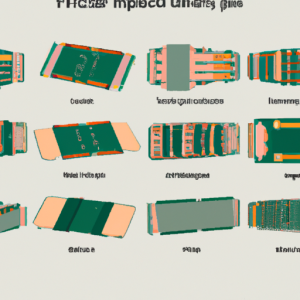
Printed circuit boards (PCBs) are an essential component in electronic devices, providing the necessary connections between various electronic components. Traditionally, PCBs have been rigid, meaning they are made from a solid substrate material such as fiberglass or epoxy. However, in recent years, there has been a growing trend towards using rigid-flexible PCBs in electronic devices due to their numerous benefits.
One of the key advantages of using rigid-flexible PCBs is their ability to reduce the overall size and weight of electronic devices. By combining rigid and flexible sections in a single PCB, designers can create more compact and lightweight devices without sacrificing functionality. This is particularly important in industries such as aerospace and medical devices, where space and weight constraints are critical considerations.
In addition to size and weight savings, rigid-flexible PCBs also offer improved reliability compared to traditional rigid PCBs. The flexible sections of the PCB can help absorb mechanical stresses and vibrations, reducing the risk of component failure due to bending or flexing. This is especially important in applications where the PCB is subjected to frequent movement or thermal cycling.
Another benefit of using rigid-flexible PCBs is their ability to simplify the assembly process. By integrating multiple PCBs into a single rigid-flexible design, manufacturers can reduce the number of interconnects and solder joints, leading to a more reliable and cost-effective assembly process. This can result in faster production times and lower overall manufacturing costs.
Furthermore, rigid-flexible PCBs offer greater design flexibility compared to traditional rigid PCBs. Designers can create complex three-dimensional shapes and layouts that would be impossible with rigid PCBs alone. This allows for more creative and innovative designs, leading to improved performance and functionality in electronic devices.
Overall, the benefits of using rigid-flexible PCBs in electronic devices are clear. From reducing size and weight to improving reliability and simplifying assembly, rigid-flexible PCBs offer numerous advantages that make them an attractive choice for designers and manufacturers alike. By incorporating rigid-flexible PCBs into their designs, companies can create more compact, reliable, and cost-effective electronic devices that meet the demands of today’s fast-paced and ever-changing market.
In conclusion, rigid-flexible PCBs represent a significant advancement in PCB technology, offering a wide range of benefits that make them an ideal choice for electronic devices. By leveraging the design and fabrication techniques associated with rigid-flexible PCBs, designers and manufacturers can create innovative and reliable products that meet the demands of today’s competitive market. As the demand for smaller, lighter, and more reliable electronic devices continues to grow, rigid-flexible PCBs will undoubtedly play a key role in shaping the future of electronics.