
Benefits of Flex Rigid PCB Technology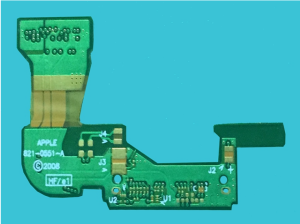
Flex rigid PCB technology has been making waves in the electronics industry for its ability to provide a flexible and reliable solution for complex electronic devices. This innovative technology combines the benefits of both flexible and rigid PCBs, offering a versatile and cost-effective solution for a wide range of applications. In this article, we will explore the latest advancements in flex rigid PCB technology and the benefits it brings to the table.
One of the key advantages of flex rigid PCB technology is its ability to reduce the overall size and weight of electronic devices.
By eliminating the need for bulky connectors and cables, flex rigid PCBs allow for more compact and lightweight designs, making them
ideal for portable and wearable devices. This not only improves the aesthetics of the device but also enhances its functionality and usability.
Furthermore, flex rigid PCB technology offers improved reliability and durability compared to traditional PCBs. The flexible nature of these boards allows them to withstand bending and twisting without compromising their performance, making them ideal for applications where mechanical stress is a concern. This increased durability also translates to a longer lifespan for the electronic device, reducing the need for frequent repairs and replacements.
Another benefit of flex rigid PCB technology is its ability to simplify the assembly process. By integrating multiple PCBs into a single flex rigid board, manufacturers can reduce the number of components and connections required, streamlining the assembly process and reducing the risk of errors.
This not only saves time and labor costs but also improves the overall quality and consistency of the final product.
In addition to these benefits, flex rigid PCB technology also offers improved signal integrity and electromagnetic compatibility. The flexible nature of these boards allows for tighter routing of traces, reducing signal interference and crosstalk. This results in better signal quality and reliability, ensuring optimal performance for the electronic device.
Moreover, flex rigid PCB technology enables designers to create more complex and innovative designs. The flexibility of these boards allows for unique shapes and configurations that would be impossible with traditional rigid PCBs. This opens up a world of possibilities for designers to create cutting-edge electronic devices that push the boundaries of technology.
Overall, flex rigid PCB technology offers a host of benefits that make it a compelling choice for a wide range of applications. From reducing size and weight to improving reliability and signal integrity, this innovative technology is revolutionizing the way electronic devices are designed and manufactured. As the industry continues to evolve, we can expect to see even more advancements in flex rigid PCB technology that will further enhance its capabilities and benefits.