
Benefits of Flex Rigid PCB Technology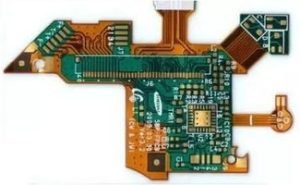
Flex rigid PCB technology is revolutionizing the electronics industry, offering a wide range of benefits that can help companies stay ahead of the curve in today’s fast-paced market. From increased design flexibility to improved reliability and durability, flex rigid PCBs are quickly becoming the go-to choice for manufacturers looking to push the boundaries of what is possible in electronic design.
One of the key benefits of flex rigid PCB technology is its ability to provide greater design flexibility than traditional rigid PCBs.
With flex rigid PCBs, designers have the freedom to create more complex and compact layouts, allowing for smaller and more lightweight electronic devices. This flexibility opens up a world of possibilities for product designers, enabling them to create innovative and cutting-edge products that stand out in a crowded marketplace.
In addition to increased design flexibility, flex rigid PCB technology also offers improved reliability and durability. The flexible nature of these PCBs allows them to withstand bending and twisting without compromising performance, making them ideal for applications where traditional rigid PCBs would be prone to failure. This increased durability not only extends the lifespan of electronic devices but also reduces the need for costly repairs and replacements, saving companies time and money in the long run.
Furthermore, flex rigid PCB technology can also help companies reduce their overall manufacturing costs. By eliminating the need for multiple PCBs and connectors, flex rigid PCBs can streamline the production process and reduce the number of components needed for a given design. This not only simplifies assembly but also reduces the risk of errors and defects, resulting in higher-quality products that are more cost-effective to produce.
Another key benefit of flex rigid PCB technology is its ability to improve signal integrity and reduce electromagnetic interference.
The flexible nature of these PCBs allows for tighter impedance control and better signal routing, resulting in cleaner and more reliable signal transmission.
This can be especially important in high-speed and high-frequency applications, where even minor signal disruptions can lead to performance issues or system failures.
Overall, the benefits of flex rigid PCB technology are clear. From increased design flexibility and improved reliability to reduced manufacturing costs and improved signal integrity, flex rigid PCBs offer a wide range of advantages that can help companies stay ahead of the curve in today’s competitive market.
By embracing this cutting-edge technology, manufacturers can create products that are not only more innovative and efficient but also more reliable and cost-effective in the long run.
In conclusion, flex rigid PCB technology is a game-changer for the electronics industry, offering a host of benefits that can help companies push the boundaries of what is possible in electronic design. By embracing this innovative technology, manufacturers can stay ahead of the curve and create products that are not only more advanced and efficient but also more reliable and cost-effective in the long run. With the latest updates in flex rigid PCB technology, the possibilities are endless, and the future looks brighter than ever for companies looking to innovate and excel in today’s fast-paced market.