
Advantages of Using Flex Rigid PCB Technology in Modern Electronics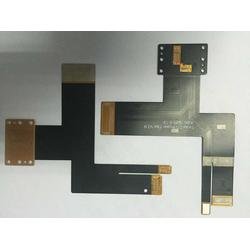
Flex rigid PCB technology has become increasingly popular in modern electronics due to its numerous advantages over traditional rigid PCBs.
This innovative technology combines the flexibility of a flexible PCB with the durability of a rigid PCB, offering a versatile solution for a wide range of applications. In this article, we will explore the key advantages of using flex rigid PCB technology in modern electronics.
One of the main advantages of flex rigid PCB technology is its space-saving design.By combining flexible and rigid sections on a single board, designers can create compact and lightweight electronic devices that are ideal for applications where space is limited. This allows for more efficient use of space within the device, leading to smaller and more portable products.
In addition to space savings, flex rigid PCB technology also offers improved reliability. The rigid sections of the board provide stability and support for components, while the flexible sections allow for greater flexibility and durability. This combination results in a more robust and reliable PCB that is less prone to damage from bending or vibration.
Another key advantage of flex rigid PCB technology is its ability to reduce assembly time and costs. By integrating multiple PCBs into a single flex rigid board, manufacturers can streamline the assembly process and reduce the number of interconnects required. This not only saves time during production but also lowers overall manufacturing costs.
Flex rigid PCB technology also offers enhanced signal integrity and performance. The rigid sections of the board provide a solid foundation for high-speed signals, while the flexible sections allow for greater flexibility in routing traces. This results in improved signal quality and reduced signal loss, leading to better overall performance in electronic devices.
Furthermore, flex rigid PCB technology enables designers to create more complex and innovative designs. The ability to combine flexible and rigid sections on a single board opens up a world of possibilities for creating unique and customized electronic devices. This flexibility allows for greater design freedom and creativity, leading to more advanced and cutting-edge products.
Overall, the advantages of using flex rigid PCB technology in modern electronics are clear. From space savings and improved reliability to reduced assembly time and enhanced performance, flex rigid PCBs offer a versatile and efficient solution for a wide range of applications. As technology continues to evolve, flex rigid PCBs will likely play an increasingly important role in the development of next-generation electronic devices. By staying up-to-date with the latest trends in flex rigid PCB technology, designers and manufacturers can ensure they are at the forefront of innovation in the electronics industry.