
Benefits of Using Flex Rigid PCB Technology in Electronic Devices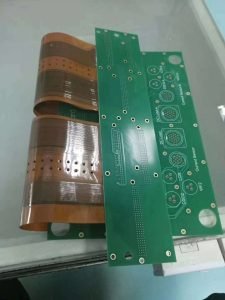
Flex rigid PCB technology has revolutionized the way electronic devices are designed and manufactured.
This innovative technology combines the flexibility of a flexible PCB with the durability of a rigid PCB, offering a wide range of benefits for electronic devices.
In this article, we will explore the latest advancements in flex rigid PCB technology and discuss the advantages of using this technology in electronic devices.
One of the key benefits of using flex rigid PCB technology is its ability to reduce the overall size and weight of electronic devices.
By combining flexible and rigid PCBs into a single design, manufacturers can create more compact and lightweight devices without sacrificing performance or functionality. This is particularly important in industries where space is limited, such as the aerospace and medical device industries.
Another advantage of flex rigid PCB technology is its ability to improve the reliability and durability of electronic devices.
Traditional PCBs are prone to damage from bending, twisting, and vibration, which can lead to premature failure of the device.
Flex rigid PCBs, on the other hand, are designed to withstand these types of stresses, making them ideal for use in rugged environments
or applications where the device will be subjected to constant movement.
In addition to improving the reliability and durability of electronic devices, flex rigid PCB technology also offers enhanced signal integrity and electrical performance. The flexible portions of the PCB can be used to route high-speed signals, while the rigid portions provide a stable platform for mounting components and connectors. This results in reduced signal loss, improved signal quality, and overall better performance of the device.
Furthermore, flex rigid PCB technology allows for greater design flexibility and customization.
Manufacturers can create complex, three-dimensional designs that would be impossible with traditional PCBs, allowing for more efficient use of space and improved functionality. This flexibility also makes it easier to integrate multiple functions into a single device, reducing the need for additional components and simplifying the overall design.
The latest advancements in flex rigid PCB technology have further expanded the capabilities of this innovative technology.
New materials and manufacturing processes have made it possible to create even thinner and more flexible PCBs, opening up new possibilities for design and integration. Additionally, advancements in assembly techniques have made it easier and more cost-effective to produce complex flex rigid PCBs, making them more accessible to a wider range of industries and applications.
Overall, the benefits of using flex rigid PCB technology in electronic devices are clear. From reducing size and weight to improving reliability and performance, this innovative technology offers a wide range of advantages for manufacturers and end-users alike. As the technology continues to evolve and improve, we can expect to see even more exciting advancements in the field of flex rigid PCBs, further revolutionizing the way electronic devices are designed and manufactured.