
Advantages of Using Flex Rigid PCBs in Modern Electronics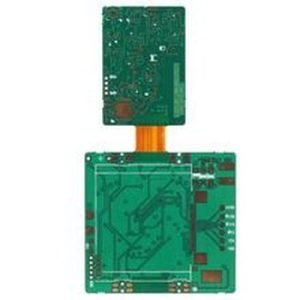
In today’s rapidly evolving technological landscape, the demand for smaller, lighter, and more flexible electronic devices is higher than ever before.
As a result, manufacturers are constantly seeking innovative solutions to meet these demands while maintaining high performance and reliability.
One such solution that has gained popularity in recent years is the use of flex rigid PCBs in modern electronics.
Flex rigid PCBs, also known as flexible printed circuit boards, are a hybrid of traditional rigid PCBs and flexible circuits.
They offer the best of both worlds by combining the durability and stability of rigid boards with the flexibility and space-saving benefits of flexible circuits.
This unique combination makes flex rigid PCBs an ideal choice for a wide range of applications, from consumer electronics to medical devices and aerospace systems.
One of the key advantages of using flex rigid PCBs in modern electronics is their ability to reduce the overall size and weight of electronic devices.
By eliminating the need for bulky connectors and cables, flex rigid PCBs allow for more compact and lightweight designs, making them ideal for portable devices such as smartphones, tablets, and wearables. This not only improves the user experience by making devices more comfortable to hold and carry but also opens up new possibilities for innovative product designs.
In addition to their space-saving benefits, flex rigid PCBs offer improved reliability and durability compared to traditional PCBs.
The flexible nature of these boards allows them to withstand bending, twisting, and vibration without compromising performance, making them ideal for applications where mechanical stress is a concern. This increased durability also translates to longer product lifespans and reduced maintenance costs, making flex rigid PCBs a cost-effective solution for manufacturers.
Furthermore, flex rigid PCBs offer greater design flexibility compared to traditional PCBs.
Their ability to bend and conform to different shapes and sizes allows for more creative and innovative product designs, enabling manufacturers to create unique and cutting-edge electronic devices. This flexibility also simplifies the assembly process, reducing the number of components and connections required and streamlining production workflows.
Another advantage of using flex rigid PCBs in modern electronics is their ability to improve signal integrity and reduce electromagnetic interference.
The flexible nature of these boards allows for tighter routing of signal traces, minimizing signal loss and crosstalk, and improving overall performance.
This is especially important in high-speed applications such as data communication and signal processing, where even small disruptions can have a significant impact on performance.
Overall, the advantages of using flex rigid PCBs in modern electronics are clear. From space-saving benefits to improved reliability and durability, these innovative boards offer a wide range of advantages that make them an ideal choice for a variety of applications. As technology continues to advance, the demand for smaller, lighter, and more flexible electronic devices will only continue to grow, making flex rigid PCBs an essential component of tomorrow’s technology.