
Advantages of Using Cutting-Edge Flex Rigid PCB Technology in Electronics Industry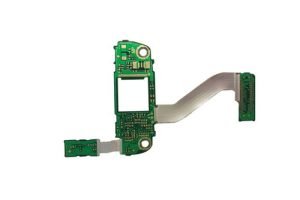
In the fast-paced world of electronics, staying ahead of the curve is essential for companies looking to remain competitive.
One technology that is redefining the electronics industry is cutting-edge flex rigid PCB technology.
This innovative approach to circuit board design offers a range of advantages that are revolutionizing the way electronic devices are built and operated.
One of the key advantages of using flex rigid PCB technology is its flexibility.
Traditional rigid PCBs are limited in their ability to bend or flex, which can be a significant drawback in certain applications.
Flex rigid PCBs, on the other hand, are designed to be flexible, allowing them to be bent or twisted without compromising their functionality.
This flexibility opens up a whole new world of possibilities for electronic device designers, enabling them to create products that are more compact, lightweight, and durable than ever before.
Another advantage of flex rigid PCB technology is its reliability. Because flex rigid PCBs are designed to withstand bending and flexing,
they are less prone to damage from mechanical stress or vibration. This makes them ideal for use in applications where traditional rigid
PCBs would be at risk of failure, such as in automotive, aerospace, or medical devices. By using flex rigid PCB technology, companies can
ensure that their products are more reliable and long-lasting, reducing the risk of costly repairs or replacements down the line.
In addition to their flexibility and reliability, flex rigid PCBs also offer improved signal integrity. The design of flex rigid PCBs allows for tighter
control over signal paths, reducing the risk of interference or signal loss. This means that electronic devices built using flex rigid PCB technology
can operate more efficiently and reliably, with better performance and fewer errors. This is particularly important in high-speed applications,
where even small signal disruptions can have a significant impact on overall performance.
Furthermore, flex rigid PCB technology offers greater design flexibility. The ability to combine rigid and flexible sections on a single
circuit board opens up a wide range of design possibilities, allowing for more compact and complex layouts than would be possible with
traditional rigid PCBs. This flexibility in design can help companies to create products that are more innovative and competitive
in the marketplace, giving them a strategic advantage over their rivals.
Overall, the advantages of using cutting-edge flex rigid PCB technology in the electronics industry are clear. From improved flexibility and reliability to enhanced signal integrity and design flexibility, flex rigid PCBs offer a range of benefits that are revolutionizing the way electronic devices are built and operated. By embracing this innovative technology, companies can stay ahead of the curve and continue to push the boundaries of what is possible in the world of electronics.