
Benefits of Flex Rigid PCB Technology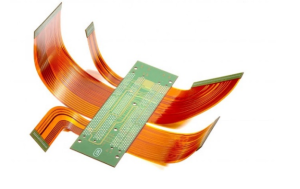
Flex rigid PCB technology has revolutionized the electronics industry, offering a wide range of benefits that traditional rigid PCBs simply cannot match.
From increased design flexibility to improved reliability and durability, flex rigid PCBs are leading the way in innovation and efficiency.
One of the key benefits of flex rigid PCB technology is its ability to accommodate complex and compact designs.Unlike traditional rigid PCBs, which are limited in terms of flexibility and bending capabilities, flex rigid PCBs can be bent and twisted to fit into tight spaces and odd shapes. This makes them ideal for applications where space is at a premium, such as in wearable devices, medical implants, and automotive electronics.
In addition to their flexibility, flex rigid PCBs also offer improved reliability and durability. The combination of flexible and rigid layers in a single board design helps to reduce the risk of mechanical stress and fatigue, which can lead to premature failure in traditional rigid PCBs. This increased reliability makes flex rigid PCBs ideal for high-performance applications where downtime is not an option.
Another benefit of flex rigid PCB technology is its cost-effectiveness. While the initial investment in flex rigid PCBs may be higher than traditional rigid PCBs, the long-term savings in terms of reduced maintenance and replacement costs can more than offset this initial expense. Additionally, the ability to consolidate multiple PCBs into a single flex rigid design can help to streamline production processes and reduce overall manufacturing costs.
Furthermore, flex rigid PCB technology offers improved signal integrity and electromagnetic compatibility. The use of flexible materials in the design of these boards helps to reduce signal loss and interference, resulting in better overall performance and reliability. This is particularly important in high-speed and high-frequency applications where signal integrity is critical.
In addition to these benefits, flex rigid PCB technology also offers environmental advantages. The use of flexible materials in the design of these boards can help to reduce waste and minimize the environmental impact of electronic devices. This is especially important in today’s world, where sustainability and eco-friendliness are becoming increasingly important considerations for consumers and manufacturers alike.
Overall, the benefits of flex rigid PCB technology are clear. From increased design flexibility and reliability to improved signal integrity and environmental sustainability, flex rigid PCBs are leading the way in innovation and efficiency. As the electronics industry continues to evolve and demand for smaller, more powerful devices grows, flex rigid PCB technology will undoubtedly play a key role in shaping the future of electronic design and manufacturing.