
Benefits of Using Flex Rigid PCBs in Electronic Devices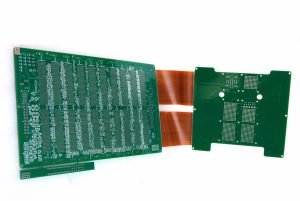
In the fast-paced world of modern electronics, innovation is key to staying ahead of the competition. One of the most important advancements in electronic device design is the use of flex rigid PCBs. These flexible printed circuit boards offer a wide range of benefits that make them an essential component in today’s electronic devices.
Flex rigid PCBs are a hybrid of flexible and rigid PCBs, combining the best of both worlds. They are designed to be flexible in certain areas while remaining rigid in others, allowing for greater design flexibility and versatility. This unique combination of flexibility and rigidity makes flex rigid PCBs ideal for a wide range of applications, from smartphones and tablets to medical devices and automotive electronics.
One of the key benefits of using flex rigid PCBs is their ability to reduce the overall size and weight of electronic devices. Because they can be bent and folded to fit into tight spaces, flex rigid PCBs allow for more compact and lightweight designs. This is especially important in portable devices such as smartphones and tablets, where space is at a premium.
In addition to their compact size, flex rigid PCBs also offer improved reliability and durability. Traditional rigid PCBs are prone to damage from bending and flexing, which can lead to electrical shorts and other issues. Flex rigid PCBs, on the other hand, are designed to withstand bending and flexing without compromising their performance. This makes them ideal for applications where the PCB may be subject to mechanical stress or vibration.
Another benefit of using flex rigid PCBs is their ability to simplify the assembly process. Because flex rigid PCBs can be bent and folded to fit into tight spaces, they can eliminate the need for complex wiring harnesses and connectors. This not only reduces the overall cost of manufacturing electronic devices but also improves the reliability of the final product.
Flex rigid PCBs also offer greater design flexibility than traditional rigid PCBs. Because they can be bent and folded to fit into tight spaces, designers have more freedom to create innovative and unique electronic devices. This flexibility allows for more creative and efficient designs, leading to better performance and functionality.
Overall, the use of flex rigid PCBs in electronic devices offers a wide range of benefits that make them an essential component in modern electronics. From their compact size and improved reliability to their simplified assembly process and greater design flexibility, flex rigid PCBs are driving innovation in the world of electronic device design. As technology continues to evolve, flex rigid PCBs will play an increasingly important role in shaping the future of electronic devices.