
Benefits of Flex Rigid PCB Technology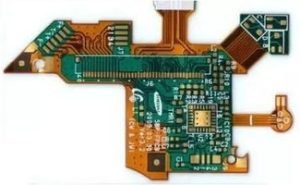
Flex rigid PCB technology is revolutionizing the way electronic devices are designed and manufactured.
This innovative technology combines the flexibility of a flexible PCB with the durability of a rigid PCB, offering a wide range of benefits that traditional
PCBs cannot match. From improved reliability and performance to reduced size and weight, flex rigid PCBs are paving the way for the future of electronics.
One of the key benefits of flex rigid PCB technology is its ability to reduce the overall size and weight of electronic devices.
By combining flexible and rigid sections on a single board, designers can create compact and lightweight products that are easier to transport and handle.
This is particularly important in industries such as aerospace and automotive, where space and weight constraints are critical factors in product design.
In addition to size and weight savings, flex rigid PCB technology also offers improved reliability and performance.
The flexible sections of the board allow for greater flexibility in design, enabling designers to create more complex and compact
layouts that are less prone to mechanical stress and failure. This results in higher reliability and longer product lifespans, reducing
the need for costly repairs and replacements.
Furthermore, flex rigid PCB technology enables designers to create products with higher signal integrity and faster data transfer speeds.
The rigid sections of the board provide a stable platform for high-speed components, while the flexible sections allow for precise routing of signal traces.
This results in reduced signal loss and improved performance, making flex rigid PCBs ideal for high-speed applications such as data centers and telecommunications equipment.
Another key benefit of flex rigid PCB technology is its cost-effectiveness. While the initial investment in flex rigid PCBs may be higher than traditional PCBs, the long-term savings in terms of reduced maintenance and replacement costs can more than offset this initial expense. Additionally, the ability to create more compact and lightweight products can lead to savings in shipping and storage costs, further enhancing the cost-effectiveness of flex rigid PCB technology.
Flex rigid PCB technology also offers environmental benefits, as it allows for the creation of more energy-efficient and sustainable electronic devices.
By reducing the size and weight of products, flex rigid PCBs can help to lower energy consumption and reduce carbon emissions during manufacturing and transportation. Additionally, the longer lifespan and higher reliability of flex rigid PCBs can help to reduce electronic waste and promote a more sustainable approach to electronics manufacturing.
In conclusion, flex rigid PCB technology offers a wide range of benefits that make it an attractive option for designers and manufacturers looking to unleash the full potential of their electronic devices. From improved reliability and performance to reduced size and weight, flex rigid PCBs are shaping the future of electronics and paving the way for more compact, efficient, and sustainable products. As the demand for smaller, faster, and more reliable electronic devices continues to grow, flex rigid PCB technology will play an increasingly important role in driving innovation and shaping the future of technology.