
Benefits of Using Rigid Flex PCBs in Electronic Devices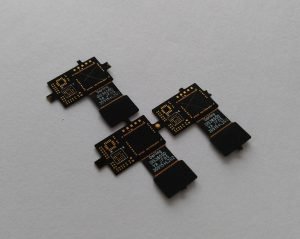
Rigid flex PCBs, or printed circuit boards, are a game-changer in the electronics industry.
These innovative boards combine the benefits of both rigid and flexible PCBs, offering a unique solution for a wide range of electronic devices.
From smartphones to medical devices, rigid flex PCBs are revolutionizing the way electronic devices are designed and manufactured.
One of the key benefits of using rigid flex PCBs is their ability to reduce the overall size and weight of electronic devices.
By combining rigid and flexible materials in one board, designers can create compact and lightweight devices that are easier to handle and more portable.
This is especially important in industries such as aerospace and medical devices, where space and weight constraints are critical factors in design.
In addition to their compact size, rigid flex PCBs also offer improved reliability and durability compared to traditional PCBs.
The flexible portions of the board help to absorb shock and vibration, reducing the risk of damage to the components.
This makes rigid flex PCBs ideal for use in rugged environments or applications where the device may be subjected to harsh conditions.
Another benefit of using rigid flex PCBs is their ability to simplify the assembly process.
By combining multiple PCBs into one, designers can reduce the number of interconnects and solder joints, which can help to improve the overall reliability of the device. This also helps to reduce the overall cost of manufacturing, as fewer components and connections are required.
Furthermore, rigid flex PCBs offer greater design flexibility compared to traditional PCBs.
Designers can create complex, three-dimensional shapes that would be impossible with rigid PCBs alone.
This allows for more creative and innovative designs, leading to improved functionality and performance in electronic devices.
Additionally, rigid flex PCBs offer improved signal integrity and reduced electromagnetic interference.
The flexible portions of the board help to reduce signal loss and crosstalk, resulting in better overall performance of the device.
This is especially important in high-speed applications, where signal integrity is critical to the operation of the device.
Overall, the benefits of using rigid flex PCBs in electronic devices are clear.
From improved reliability and durability to reduced size and weight, these innovative boards offer a wide range of advantages for designers and manufacturers. As the electronics industry continues to evolve, rigid flex PCBs will play an increasingly important role in shaping the future of electronic devices.