
Benefits of Using Rigid Flex PCBs in High-Performance Applications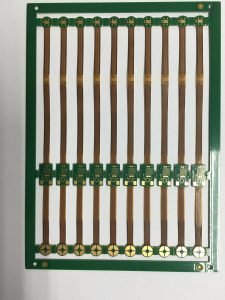
In the world of high-performance applications, the demand for advanced technology continues to grow.
As electronic devices become more complex and compact, the need for innovative solutions to meet these challenges has never been greater.
One such solution that has gained popularity in recent years is the use of rigid flex PCBs.
Rigid flex PCBs combine the best of both rigid and flexible circuit boards, offering a unique solution that provides the flexibility of a flexible PCB with the durability and reliability of a rigid PCB. This hybrid design allows for greater design flexibility, reduced space requirements, and improved reliability, making them an ideal choice for high-performance applications.
One of the key benefits of using rigid flex PCBs in high-performance applications is their ability to reduce the overall size and weight of electronic devices.
By combining the rigid and flexible portions of the PCB into a single unit, designers can create more compact and lightweight devices without sacrificing performance. This is especially important in applications where space is limited, such as in aerospace, medical, and automotive industries.
Additionally, rigid flex PCBs offer improved reliability compared to traditional PCBs.
The flexible portions of the PCB are less susceptible to mechanical stress and vibration, reducing the risk of component failure and increasing the overall lifespan of the device. This is crucial in high-performance applications where reliability is paramount, such as in military and industrial settings.
Another benefit of using rigid flex PCBs is their ability to simplify the assembly process.
By combining multiple PCBs into a single unit, designers can reduce the number of interconnects and solder joints, leading to fewer points of failure and improved overall performance. This streamlined assembly process also reduces the overall cost of production, making rigid flex PCBs a cost-effective solution for high-performance applications.
Furthermore, rigid flex PCBs offer greater design flexibility compared to traditional PCBs.
Designers can create complex, three-dimensional shapes that would be impossible with rigid or flexible PCBs alone, allowing for more creative and innovative designs. This flexibility also allows for greater customization, making it easier to tailor the PCB to specific application requirements.
In conclusion, the benefits of using rigid flex PCBs in high-performance applications are clear.
From reducing size and weight to improving reliability and simplifying assembly, rigid flex PCBs offer a unique solution that meets the demands of today’s advanced technology. As the demand for smaller, more reliable electronic devices continues to grow, rigid flex PCBs will play an increasingly important role in shaping the future of high-performance applications. By unleashing the power of rigid flex PCBs, designers can create innovative solutions that push the boundaries of what is possible in the world of electronics.