
Benefits of Using Rigid Flex PCBs in IoT Devices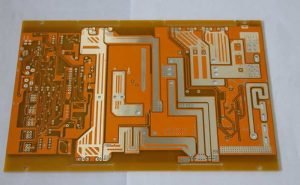
The Internet of Things (IoT) has revolutionized the way we interact with technology, allowing for seamless connectivity between devices and the ability to gather and analyze data in real-time. As IoT devices become more prevalent in our daily lives, the demand for smaller, more efficient, and reliable components has increased. Rigid flex PCBs have emerged as a key technology in advancing IoT devices, offering a range of benefits that make them ideal for use in these applications.
One of the primary benefits of using rigid flex PCBs in IoT devices is their ability to reduce the overall size and weight of the device.
Traditional PCBs are made up of multiple layers of rigid material connected by flexible cables, which can take up a significant amount of space within a device. Rigid flex PCBs, on the other hand, combine the benefits of both rigid and flexible PCBs into a single component, allowing for a more compact and lightweight design. This is particularly important in IoT devices, which are often designed to be small and portable.
In addition to their compact size, rigid flex PCBs also offer improved reliability and durability compared to traditional PCBs.
The flexible sections of a rigid flex PCB are designed to withstand bending and flexing without compromising the integrity of the circuit, making them ideal for use in devices that may be subject to frequent movement or vibration. This increased durability helps to extend the lifespan of IoT devices, reducing the need for maintenance and repairs over time.
Another key benefit of using rigid flex PCBs in IoT devices is their ability to improve signal integrity and reduce electromagnetic interference.
The rigid sections of the PCB provide a stable platform for components to be mounted, while the flexible sections allow for greater flexibility in routing signals between different parts of the circuit. This helps to minimize signal loss and distortion, ensuring that data is transmitted accurately and reliably between devices. Additionally, the shielding properties of rigid flex PCBs help to reduce electromagnetic interference from external sources, further enhancing the performance of IoT devices.
Furthermore, rigid flex PCBs offer greater design flexibility compared to traditional PCBs, allowing for more complex and innovative designs to be implemented in IoT devices. The ability to combine rigid and flexible sections within a single PCB opens up a wide range of possibilities for designers, enabling them to create devices that are more efficient, reliable, and aesthetically pleasing. This flexibility is particularly important in IoT devices, which often require custom solutions to meet the specific needs of different applications.
Overall, the use of rigid flex PCBs in IoT devices offers a range of benefits that make them an ideal choice for designers looking to create smaller, more reliable, and efficient devices. From reducing size and weight to improving signal integrity and design flexibility, rigid flex PCBs play a crucial role in advancing the capabilities of IoT technology. As the demand for IoT devices continues to grow, the importance of using high-quality components such as rigid flex PCBs will only become more apparent in ensuring the success and reliability of these devices.