
Benefits of Using Rigid Flex PCBs in Production
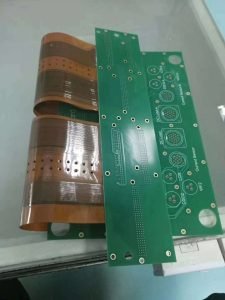
In today’s fast-paced manufacturing industry, efficiency is key. Companies are constantly looking for ways to streamline their production processes in order to stay competitive and meet the demands of their customers. One way that companies can achieve this is by using rigid flex PCBs in their production.
Rigid flex PCBs offer a number of benefits that make them an attractive option for manufacturers.
One of the main advantages of using rigid flex PCBs is that they are more durable and reliable than traditional PCBs.
Because rigid flex PCBs are made up of both rigid and flexible materials, they are able to withstand more stress and strain than traditional PCBs, making them ideal for use in applications where reliability is crucial.
Another benefit of using rigid flex PCBs is that they can help to reduce the overall size and weight of a product. Because rigid flex PCBs are able to bend and flex, they can be used in applications where space is limited, allowing manufacturers to create smaller and lighter products without sacrificing functionality.
In addition to their durability and flexibility, rigid flex PCBs also offer improved signal integrity and reduced electromagnetic interference.
Because rigid flex PCBs are able to maintain a consistent electrical connection even when bent or flexed, they are less susceptible to signal loss and interference, resulting in better overall performance.
Furthermore, rigid flex PCBs can help to simplify the assembly process.By combining the rigid and flexible components into a single PCB, manufacturers can reduce the number of separate parts that need to be assembled, saving time and reducing the risk of errors during production.
Overall, the use of rigid flex PCBs in production can help manufacturers to improve the reliability, durability, and performance of their products, while also reducing the size and weight of their products and simplifying the assembly process.
In conclusion, the benefits of using rigid flex PCBs in production are clear. By incorporating rigid flex PCBs into their manufacturing processes, companies can improve the reliability, durability, and performance of their products, while also reducing the size and weight of their products and simplifying the assembly process. With these advantages in mind, it’s no wonder that more and more manufacturers are turning to rigid flex PCBs to streamline their production processes and stay ahead of the competition.