
Benefits of Using Flexible Rigid PCB Designs
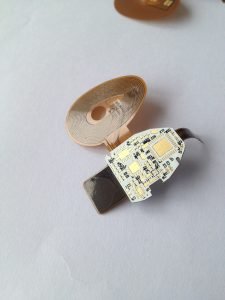
Flexible rigid PCB designs are revolutionizing the world of electronics by breaking boundaries and offering a new level of versatility and functionality.
These innovative designs combine the flexibility of a flexible PCB with the rigidity of a traditional rigid PCB, allowing for a wide range of applications that were previously impossible. In this article, we will explore the benefits of using flexible rigid PCB designs and how they are changing the way we think about electronics.
One of the key benefits of flexible rigid PCB designs is their ability to save space and reduce weight in electronic devices.
By combining the flexibility of a flexible PCB with the rigidity of a traditional rigid PCB, designers can create compact and lightweight designs that are ideal for portable devices and other applications where space is at a premium. This can lead to more streamlined and efficient products that are easier to transport and use.
Another advantage of flexible rigid PCB designs is their ability to improve reliability and durability.
Traditional rigid PCBs are prone to cracking and breaking under stress, especially in applications where the board is subject to bending or flexing.
Flexible rigid PCB designs, on the other hand, are much more resilient and can withstand a greater degree of bending and flexing without compromising performance. This makes them ideal for applications where durability is a key concern, such as in automotive, aerospace, and medical devices.
In addition to their space-saving and durability benefits, flexible rigid PCB designs also offer greater design flexibility and customization options.
Designers can create complex and intricate designs that would be impossible with traditional rigid PCBs, allowing for more creative and innovative products. This flexibility also extends to the manufacturing process, as flexible rigid PCBs can be easily integrated into existing production lines and processes, reducing time and costs associated with production.
Furthermore, flexible rigid PCB designs offer improved signal integrity and performance compared to traditional rigid PCBs.
The flexible nature of these designs allows for tighter routing and shorter signal paths, resulting in reduced signal loss and improved overall performance.
This is especially important in high-speed applications where signal integrity is critical, such as in telecommunications, data centers, and consumer electronics.
Overall, the benefits of using flexible rigid PCB designs are clear. From space-saving and durability advantages to improved design flexibility and performance, these innovative designs are changing the way we think about electronics. As technology continues to evolve and demand for smaller, lighter, and more reliable products grows, flexible rigid PCB designs will play an increasingly important role in shaping the future of electronics.
By breaking boundaries and pushing the limits of what is possible, flexible rigid PCB designs are paving the way for a new era of innovation and creativity in the world of electronics.