
Benefits of Implementing Eco-Friendly Manufacturing Practices for Rigid Flex PCBs
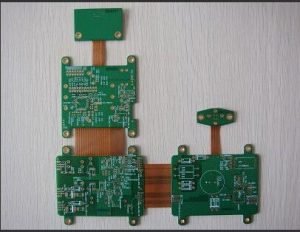
In today’s world, the importance of eco-friendly manufacturing practices cannot be overstated. As the global population continues to grow, so does the demand for electronic devices. This has led to an increase in the production of printed circuit boards (PCBs), which are essential components in most electronic devices. However, the manufacturing process for PCBs can have a significant impact on the environment if not done responsibly.
One area of PCB manufacturing that has come under scrutiny in recent years is the production of rigid flex PCBs.
These are PCBs that combine both rigid and flexible materials, allowing for more versatile designs in electronic devices.
While rigid flex PCBs offer many benefits in terms of functionality and durability, the manufacturing process can be harmful to the environment if not done using eco-friendly practices.
Implementing eco-friendly manufacturing practices for rigid flex PCBs can have a number of benefits.
One of the most obvious benefits is the reduction of harmful emissions and waste. Traditional PCB manufacturing processes can release toxic chemicals into the air and water, leading to pollution and environmental damage. By using eco-friendly practices, manufacturers can minimize their impact on the environment and help protect the planet for future generations.
Another benefit of implementing eco-friendly manufacturing practices for rigid flex PCBs is the potential for cost savings. While there may be an initial investment required to upgrade equipment and processes to be more environmentally friendly, in the long run, these changes can lead to lower operating costs. For example, using energy-efficient equipment can reduce electricity consumption, resulting in lower utility bills.
Additionally, reducing waste and recycling materials can also lead to cost savings for manufacturers.
In addition to the environmental and cost-saving benefits, implementing eco-friendly manufacturing practices for rigid flex PCBs can also improve the reputation of a company. In today’s society, consumers are becoming more conscious of the environmental impact of the products they purchase.
By demonstrating a commitment to sustainability and responsible manufacturing practices, companies can attract environmentally conscious consumers and build a positive brand image.
Furthermore, implementing eco-friendly manufacturing practices for rigid flex PCBs can also lead to improved employee morale and productivity. Studies have shown that employees are more engaged and motivated when they feel that their work is contributing to a greater good.
By promoting a culture of sustainability within the workplace, companies can create a more positive work environment and increase employee satisfaction.
Overall, the benefits of implementing eco-friendly manufacturing practices for rigid flex PCBs are clear.
Not only can these practices help protect the environment and reduce costs, but they can also improve a company’s reputation and employee morale.
As the demand for electronic devices continues to grow, it is essential that manufacturers prioritize sustainability and responsible manufacturing practices.
By making the switch to eco-friendly practices, companies can help create a more sustainable future for all.