
The Future of Rigid-Flex Printed Circuit Boards: Advancements in Technology
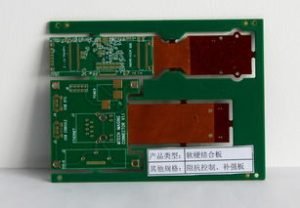
Rigid-flex printed circuit boards (PCBs) have become increasingly popular in recent years due to their ability to combine the benefits of both rigid and flexible PCBs. These boards are used in a wide range of applications, from consumer electronics to medical devices, and their demand is only expected to grow in the coming years. As technology continues to advance, so too do the capabilities of rigid-flex PCBs. In this article, we will explore some of the latest advancements in technology for rigid-flex printed circuits and how they are shaping the future of electronic devices.
One of the most significant advancements in rigid-flex PCB technology is the development of new materials that offer improved performance and reliability. Traditional rigid PCBs are typically made from materials such as FR-4, while flexible PCBs are made from materials like polyimide. However, new materials such as liquid crystal polymer (LCP) are now being used in rigid-flex PCBs to provide better thermal stability, lower dielectric loss, and higher signal integrity. These materials allow for more complex designs and higher component density, making them ideal for applications that require high performance and reliability.
In addition to new materials, advancements in manufacturing processes have also played a key role in improving the quality and reliability of rigid-flex PCBs. For example, the use of laser drilling technology has made it possible to create smaller vias and traces, allowing for more compact designs and higher component density. This technology also enables the creation of blind and buried vias, which help to reduce signal interference and improve signal integrity. Furthermore, advancements in surface mount technology (SMT) have made it easier to assemble components onto rigid-flex PCBs, reducing the risk of defects and improving overall reliability.
Another important advancement in rigid-flex PCB technology is the integration of 3D printing. 3D printing allows for the creation of complex and customized designs that would be difficult or impossible to achieve using traditional manufacturing methods. This technology is particularly useful for prototyping and low-volume production, as it allows for rapid design iterations and quick turnaround times. By combining 3D printing with traditional PCB manufacturing processes, designers can create innovative and unique rigid-flex PCBs that meet the specific requirements of their applications.
Advancements in technology for rigid-flex PCBs are also driving improvements in the performance and functionality of electronic devices. For example, the use of high-speed materials and design techniques has enabled the development of rigid-flex PCBs that can support faster data transfer rates and higher frequencies. This is particularly important for applications such as 5G communication, where high-speed data transmission is essential. Additionally, advancements in thermal management techniques have made it possible to create rigid-flex PCBs that can dissipate heat more effectively, allowing for better performance and reliability in high-temperature environments.
Overall, the future of rigid-flex printed circuit boards looks bright, thanks to ongoing advancements in technology and manufacturing processes. As new materials, manufacturing techniques, and design tools continue to emerge, the capabilities of rigid-flex PCBs will only continue to improve. These advancements are not only driving innovation in electronic devices but also opening up new possibilities for applications in a wide range of industries. With the continued development of rigid-flex PCB technology, we can expect to see even more advanced and sophisticated electronic devices in the years to come.