
Advantages of Using Rigid-Flex Circuit Boards in Electronic Devices
In the ever-evolving world of electronics, innovation is key to staying ahead of the competition.
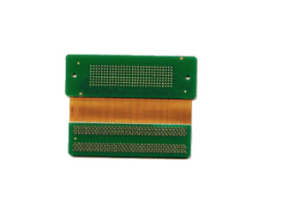
One such innovation that has been gaining popularity in recent years is the use of rigid-flex circuit boards in electronic devices.
These circuit boards offer a number of advantages over traditional rigid or flexible circuit boards, making them an attractive option for manufacturers looking to improve the performance and reliability of their products.
One of the main advantages of using rigid-flex circuit boards is their ability to reduce the overall size and weight of electronic devices.
By combining the benefits of rigid and flexible circuit boards into a single design, manufacturers can create more compact and lightweight products without sacrificing functionality. This is especially important in industries where space is at a premium, such as the aerospace and medical device industries.
Another advantage of rigid-flex circuit boards is their increased durability and reliability.
Traditional rigid circuit boards are prone to damage from bending or flexing, while flexible circuit boards can be more susceptible to wear and tear over time. Rigid-flex circuit boards offer the best of both worlds, with the rigid sections providing stability and support, and the flexible sections allowing for movement without compromising the integrity of the board. This results in a more robust and reliable product that is less likely to fail under normal operating conditions.
In addition to their size, weight, and durability advantages, rigid-flex circuit boards also offer improved signal integrity and reduced electromagnetic interference. The rigid sections of the board help to shield sensitive components from external interference, while the flexible sections allow for more precise routing of signals, resulting in cleaner and more reliable communication between components.This is especially important in high-speed and high-frequency applications, where even small amounts of interference can cause significant performance issues.
Furthermore, rigid-flex circuit boards are also more cost-effective in the long run.While the initial manufacturing costs may be higher than traditional rigid or flexible circuit boards, the improved reliability and durability of rigid-flex boards can lead to lower maintenance and replacement costs over time.
This is especially true in industries where downtime can be costly, such as telecommunications or industrial automation.
Overall, the advantages of using rigid-flex circuit boards in electronic devices are clear.From their compact size and lightweight design to their improved durability and reliability, rigid-flex boards offer a number of benefits that can help manufacturers create better products and stay ahead of the competition. With the continued advancement of technology and the increasing demand for smaller, more reliable electronic devices, it is likely that rigid-flex circuit boards will continue to play a key role in the future of electronics.