
Benefits of Using Flexible-Rigid PCB Hybrid Design
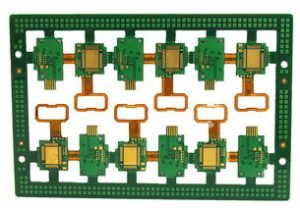
Flexible-rigid PCB hybrid design is a cutting-edge technology that combines the benefits of both flexible and rigid PCBs.
This innovative design allows for greater flexibility and versatility in electronic devices, making them more durable and reliable.
There are several key benefits to using flexible-rigid PCB hybrid design, which we will explore in this article.
One of the main advantages of flexible-rigid PCB hybrid design is its ability to reduce the overall size and weight of electronic devices.
By combining flexible and rigid PCBs, designers can create compact and lightweight products that are easier to transport and handle.
This is especially important in industries where space is limited, such as aerospace and medical devices.
Another benefit of flexible-rigid PCB hybrid design is its improved reliability and durability.
Traditional rigid PCBs are prone to damage from bending and flexing, which can lead to electrical failures and malfunctions.
By incorporating flexible PCBs into the design, manufacturers can create products that are more resistant to stres1s and strain, resulting in longer-lasting and more reliable devices.
In addition to increased reliability, flexible-rigid PCB hybrid design also offers greater design flexibility.
Designers can create complex and intricate layouts that would be difficult or impossible to achieve with traditional rigid PCBs alone.
This allows for more creative and innovative product designs, leading to improved performance and functionality.
Furthermore, flexible-rigid PCB hybrid design can also reduce manufacturing costs and lead times.
By using a combination of flexible and rigid PCBs, manufacturers can streamline the production process and reduce the number of components needed.
This results in lower material costs and faster assembly times, ultimately saving time and money for both manufacturers and consumers.
Additionally, flexible-rigid PCB hybrid design offers improved signal integrity and electrical performance.
The combination of flexible and rigid PCBs allows for better control over signal routing and impedance matching, resulting in reduced signal loss and improved overall performance. This is especially important in high-speed applications where signal integrity is critical.
Overall, the benefits of using flexible-rigid PCB hybrid design are clear.
From reduced size and weight to improved reliability and durability, this innovative technology offers a wide range of advantages for electronic device manufacturers. By incorporating flexible-rigid PCB hybrid design into their products, manufacturers can create smaller, lighter, and more reliable devices that offer superior performance and functionality.
In conclusion, flexible-rigid PCB hybrid design is a game-changer in the world of electronic device manufacturing.
With its numerous benefits, including reduced size and weight, improved reliability and durability, greater design flexibility, and enhanced signal integrity, this innovative technology is revolutionizing the way electronic devices are designed and manufactured.
As technology continues to evolve, flexible-rigid PCB hybrid design will undoubtedly play a key role in shaping the future of electronic devices.