
Benefits of Using Unique Rigid-Flexible Board Integration in Electronic Devices
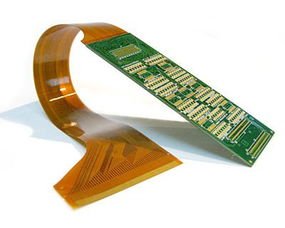
In the world of electronic devices, the demand for smaller, lighter, and more flexible products is constantly increasing.
This has led to the development of unique rigid-flexible board integration, a technology that combines the benefits of rigid and flexible circuit boards into one innovative solution. This integration offers a wide range of benefits for electronic devices, making them more reliable, durable, and efficient.
One of the key benefits of using unique rigid-flexible board integration is the reduction in size and weight of electronic devices.
By combining rigid and flexible boards into one, manufacturers can create more compact designs that take up less space and weigh less.
This is particularly important for portable devices such as smartphones, tablets, and wearables, where size and weight are critical factors in consumer satisfaction.
Another advantage of unique rigid-flexible board integration is the increased reliability of electronic devices.
Traditional rigid circuit boards are prone to damage from bending, twisting, and vibration, which can lead to malfunctions and failures.
By incorporating flexible sections into the design, manufacturers can create boards that are more resistant to mechanical stress, ensuring that the device will continue to function properly even under harsh conditions.
In addition to improved reliability, unique rigid-flexible board integration also offers enhanced durability.
Flexible circuit boards are less likely to crack or break under pressure, making them ideal for devices that are subjected to frequent handling or movement. This increased durability can extend the lifespan of electronic devices, reducing the need for repairs or replacements and saving consumers time and money in the long run.
Furthermore, unique rigid-flexible board integration can improve the efficiency of electronic devices.
By combining rigid and flexible boards, manufacturers can create designs that are more streamlined and optimized for performance.
This can result in faster processing speeds, lower power consumption, and overall better functionality for the end user.In a competitive market where speed and efficiency are key factors in consumer satisfaction, this can give manufacturers a significant advantage over their competitors.
Overall, the benefits of using unique rigid-flexible board integration in electronic devices are clear.
From reducing size and weight to improving reliability, durability, and efficiency, this technology offers a wide range of advantages that can help manufacturers create products that stand out in a crowded marketplace. As consumer demand for smaller, lighter, and more flexible devices continues to grow, unique rigid-flexible board integration will play an increasingly important role in shaping the future of electronic devices.