
Benefits of Specialized Rigid-Flexible Board Construction
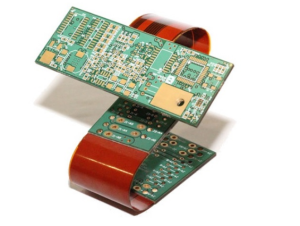
Specialized rigid-flexible board construction is a cutting-edge technology that combines the benefits of rigid and flexible PCBs into one innovative design.
This type of construction offers a wide range of benefits that make it an attractive option for many applications in various industries.
In this article, we will explore some of the key advantages of specialized rigid-flexible board construction.
One of the primary benefits of specialized rigid-flexible board construction is its ability to reduce the overall size and weight of electronic devices.
By combining rigid and flexible PCBs into a single design, manufacturers can create more compact and lightweight products without sacrificing performance or functionality. This is particularly important in industries where space is limited, such as the aerospace and medical sectors.
Additionally, specialized rigid-flexible board construction offers improved reliability and durability compared to traditional PCB designs.
The flexible portions of the board are less susceptible to damage from bending or vibration, making them ideal for applications that require frequent movement or handling. This increased durability can help to extend the lifespan of electronic devices and reduce the need for costly repairs or replacements.
Another key benefit of specialized rigid-flexible board construction is its ability to simplify the assembly process.
By integrating multiple PCBs into a single design, manufacturers can reduce the number of components and connections required, which can help to streamline production and reduce the risk of errors. This can lead to faster turnaround times and lower manufacturing costs, making specialized rigid-flexible board construction a cost-effective option for many applications.
Furthermore, specialized rigid-flexible board construction offers enhanced design flexibility compared to traditional PCB designs.
Manufacturers can create custom shapes and configurations to meet the specific requirements of their applications, allowing for greater innovation and creativity in product development. This flexibility can help to differentiate products in a competitive market and drive customer satisfaction.
In addition to these benefits, specialized rigid-flexible board construction also offers improved signal integrity and electrical performance.
The rigid portions of the board provide a stable platform for high-speed components, while the flexible portions allow for greater flexibility in routing signals and reducing electromagnetic interference. This can help to improve overall system performance and reliability, making specialized rigid-flexible board construction an ideal choice for high-performance applications.
Overall, specialized rigid-flexible board construction offers a wide range of benefits that make it a versatile and cost-effective option for many industries.
From reducing size and weight to improving reliability and performance, this innovative technology has the potential to revolutionize the way electronic devices are designed and manufactured. As technology continues to evolve, specialized rigid-flexible board construction will likely play an increasingly important role in shaping the future of electronics.