
Benefits of Using Precision Rigid-Flexible PCBs in Engineering Applications
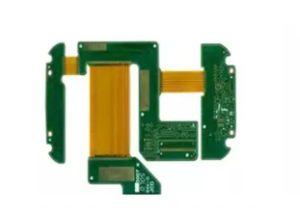
Precision rigid-flexible PCB engineering is a cutting-edge technology that offers numerous benefits for engineering applications.
These innovative circuit boards combine the advantages of rigid and flexible PCBs, providing a versatile solution for a wide range of electronic devices.
In this article, we will explore the benefits of using precision rigid-flexible PCBs in engineering applications.
One of the key advantages of precision rigid-flexible PCBs is their ability to reduce the overall size and weight of electronic devices.
By combining rigid and flexible sections on a single board, engineers can design more compact and lightweight products without sacrificing functionality.
This is particularly important in industries where space and weight constraints are critical, such as aerospace, medical devices, and wearable technology.
In addition to saving space and weight, precision rigid-flexible PCBs also offer improved reliability and durability.
The flexible sections of the board are designed to withstand bending and flexing without compromising the integrity of the circuitry.
This makes them ideal for applications where the board may be subjected to mechanical stress or vibration.
By using precision rigid-flexible PCBs, engineers can create more robust and reliable electronic devices that are less prone to failure.
Another benefit of precision rigid-flexible PCBs is their ability to simplify the assembly process.By integrating multiple functions onto a single board, engineers can reduce the number of components and interconnections required, streamlining the manufacturing process and reducing the risk of errors.
This not only saves time and labor costs but also improves the overall quality and consistency of the final product.
Furthermore, precision rigid-flexible PCBs offer enhanced design flexibility.
Engineers can create complex and intricate circuit layouts that would be difficult or impossible to achieve with traditional rigid or flexible PCBs.
This allows for more innovative and creative designs, enabling engineers to push the boundaries of what is possible in electronic device development.
Additionally, precision rigid-flexible PCBs can help to improve signal integrity and reduce electromagnetic interference.
By carefully designing the layout of the board and controlling the impedance of the traces, engineers can minimize signal loss and crosstalk, resulting in better performance and reliability. This is particularly important in high-speed and high-frequency applications where signal quality is critical.
Overall, the benefits of using precision rigid-flexible PCBs in engineering applications are clear.
From reducing size and weight to improving reliability and simplifying assembly, these innovative circuit boards offer a versatile and effective solution for a wide range of electronic devices. By leveraging the advantages of precision rigid-flexible PCB engineering, engineers can create more compact, reliable, and high-performance products that meet the demands of today’s technology-driven world.