
Benefits of Using Rigid-Flexible PCBs
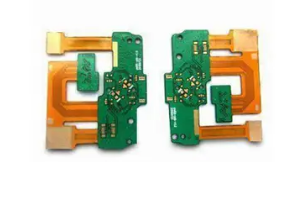
Printed circuit boards (PCBs) are an essential component in modern electronics, providing a platform for connecting and supporting electronic components. Rigid-flex PCBs are a type of PCB that combines the benefits of both rigid and flexible PCBs, offering a unique set of advantages and applications in various industries.
One of the key advantages of using rigid-flex PCBs is their ability to reduce the overall size and weight of electronic devices.
By combining rigid and flexible sections in a single board, designers can create compact and lightweight PCBs that can fit into tight spaces and conform to the shape of the device. This makes rigid-flex PCBs ideal for applications where space is limited, such as in wearable devices, medical implants, and aerospace systems.
In addition to their compact size, rigid-flex PCBs also offer improved reliability and durability compared to traditional rigid PCBs.
The flexible sections of the board help to absorb mechanical stress and vibrations, reducing the risk of damage to the board and its components.
This makes rigid-flex PCBs well-suited for applications that require high reliability and long-term performance, such as in automotive electronics, industrial control systems, and military equipment.
Another advantage of using rigid-flex PCBs is their ability to simplify the assembly process and reduce the number of interconnects required.
By integrating rigid and flexible sections into a single board, designers can eliminate the need for connectors and cables, reducing the risk of signal interference and improving overall system performance. This can result in cost savings and faster time-to-market for electronic devices, making rigid-flex PCBs a popular choice for manufacturers looking to streamline their production processes.
Rigid-flex PCBs also offer greater design flexibility compared to traditional PCBs, allowing designers to create complex and innovative layouts that would be difficult or impossible to achieve with rigid or flexible PCBs alone. This flexibility enables designers to optimize the layout of the board for improved signal integrity, thermal management, and electromagnetic compatibility, leading to better overall performance and reliability.
The unique advantages of rigid-flex PCBs make them well-suited for a wide range of applications across various industries.
In the automotive industry, rigid-flex PCBs are used in advanced driver assistance systems, engine control units, and infotainment systems, where compact size, reliability, and durability are essential. In the medical industry, rigid-flex PCBs are used in implantable devices, diagnostic equipment, and wearable health monitors, where flexibility and biocompatibility are critical.
In the aerospace industry, rigid-flex PCBs are used in avionics systems, satellite communications, and unmanned aerial vehicles, where lightweight construction, high reliability, and resistance to harsh environments are key requirements. In the consumer electronics industry, rigid-flex PCBs are used in smartphones, tablets, and wearable devices, where slim form factors, high performance, and durability are important considerations.
Overall, the advantages and applications of rigid-flex PCBs make them a versatile and valuable technology for a wide range of industries.
Their compact size, reliability, durability, design flexibility, and performance make them an ideal choice for electronic devices that require high performance in a small and lightweight package. As technology continues to advance, rigid-flex PCBs are likely to play an increasingly important role in shaping the future of electronics.