
Benefits of Using Rigid-Flexible PCBs in Cost Analysis
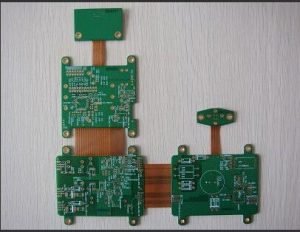
Rigid-flex PCBs have become increasingly popular in the electronics industry due to their numerous benefits, including improved reliability, reduced assembly time, and enhanced design flexibility. However, one of the key factors that companies consider when deciding whether to use rigid-flex PCBs is the cost. In this article, we will explore the cost analysis of rigid-flex PCBs and discuss the benefits of using them in various applications.
When conducting a cost analysis of rigid-flex PCBs, it is important to consider several factors. The initial cost of rigid-flex PCBs may be higher than that of traditional rigid PCBs due to the additional materials and manufacturing processes involved. However, it is essential to look beyond the upfront cost and consider the long-term savings that can be achieved by using rigid-flex PCBs.
One of the main benefits of using rigid-flex PCBs in cost analysis is the reduction in assembly time. Rigid-flex PCBs eliminate the need for multiple interconnects and connectors, which can significantly reduce the time and labor required for assembly. This can result in cost savings for companies, as less time spent on assembly means lower production costs and faster time-to-market for products.
Another advantage of using rigid-flex PCBs in cost analysis is the improved reliability they offer. Rigid-flex PCBs are more resistant to mechanical stress and thermal cycling than traditional rigid PCBs, which can lead to fewer failures and lower maintenance costs over the lifespan of a product. This increased reliability can result in cost savings for companies by reducing the need for repairs and replacements.
In addition to reduced assembly time and improved reliability, rigid-flex PCBs also offer enhanced design flexibility. The ability to bend and fold rigid-flex PCBs allows for more compact and lightweight designs, which can lead to cost savings in terms of materials and shipping. Furthermore, the flexibility of rigid-flex PCBs enables designers to create more complex and innovative products, which can give companies a competitive edge in the market.
Overall, the benefits of using rigid-flex PCBs in cost analysis outweigh the initial investment required. While the upfront cost of rigid-flex PCBs may be higher than that of traditional rigid PCBs, the long-term savings in assembly time, reliability, and design flexibility can result in significant cost savings for companies. By considering these factors in a cost analysis, companies can make informed decisions about whether to use rigid-flex PCBs in their products.
In conclusion, the cost analysis of rigid-flex PCBs is an important consideration for companies looking to improve the performance and reliability of their products while reducing production costs. By weighing the benefits of reduced assembly time, improved reliability, and enhanced design flexibility, companies can determine whether the investment in rigid-flex PCBs is worth the long-term savings. Ultimately, the use of rigid-flex PCBs can lead to cost-effective solutions that meet the demands of today’s competitive electronics market.