
Benefits of Using Rigid-Flexible PCBs in Electronic Devices
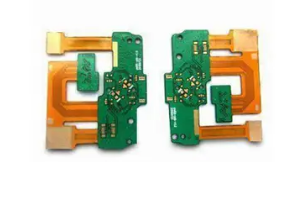
In the world of electronic devices, reliability and durability are two key factors that manufacturers and consumers alike prioritize when it comes to choosing the right components. Rigid-flexible printed circuit boards (PCBs) have emerged as a popular choice for many applications due to their unique combination of flexibility and rigidity, offering a range of benefits that make them an attractive option for a variety of electronic devices.
One of the primary benefits of using rigid-flexible PCBs is their ability to withstand harsh environmental conditions. Traditional rigid PCBs are prone to damage from vibration, shock, and temperature fluctuations, which can lead to premature failure of the device. Rigid-flexible PCBs, on the other hand, are designed to be more resilient to these types of stresses, making them ideal for use in applications where reliability is paramount.
Another advantage of rigid-flexible PCBs is their compact size and lightweight construction. By combining the flexibility of a flexible PCB with the rigidity of a traditional PCB, manufacturers can create smaller, more lightweight devices that are easier to transport and install. This can be particularly beneficial in applications where space is limited, such as in medical devices or aerospace equipment.
In addition to their durability and compact size, rigid-flexible PCBs also offer improved signal integrity and reduced electromagnetic interference (EMI). The flexible portions of the PCB can be used to route high-speed signals, reducing signal loss and improving overall performance. Additionally, the rigid portions of the PCB can act as shields to protect sensitive components from EMI, ensuring that the device operates reliably in a variety of environments.
Furthermore, rigid-flexible PCBs are highly customizable, allowing manufacturers to design boards that meet the specific requirements of their application. Whether it’s a complex, multi-layered design or a simple, single-layered board, rigid-flexible PCBs can be tailored to fit the needs of the device. This level of customization not only improves the performance of the device but also reduces the overall cost of production by eliminating the need for additional components or connectors.
Overall, the benefits of using rigid-flexible PCBs in electronic devices are clear. From their durability and reliability to their compact size and improved signal integrity, rigid-flexible PCBs offer a range of advantages that make them an attractive option for a variety of applications. As technology continues to advance and devices become more complex, the demand for reliable and durable components will only continue to grow. Rigid-flexible PCBs are poised to meet this demand, providing manufacturers with a versatile and cost-effective solution for their electronic devices.