
Benefits of Using Rigid-Flexible PCBs in Electronic Devices
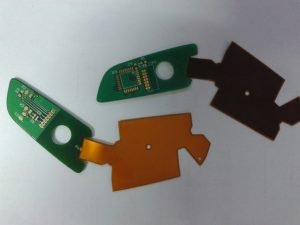
In the world of electronic devices, the demand for smaller, lighter, and more flexible products is constantly increasing. This has led to the rise in popularity of rigid-flexible PCBs, which offer a unique combination of flexibility and durability that traditional rigid PCBs cannot match. In this article, we will explore some case studies of successful rigid-flexible PCB implementations and discuss the benefits of using these innovative circuit boards in electronic devices.
One of the key advantages of rigid-flexible PCBs is their ability to reduce the overall size and weight of electronic devices. By combining rigid and flexible materials in a single board, designers can create compact and lightweight products that are easier to transport and handle. This was the case for a leading manufacturer of wearable fitness trackers, who used rigid-flexible PCBs to design a slim and lightweight device that could be worn comfortably on the wrist.
Another benefit of using rigid-flexible PCBs is their ability to improve the reliability and durability of electronic devices. Traditional rigid PCBs are prone to damage from bending and flexing, which can lead to premature failure of the device. In contrast, rigid-flexible PCBs are designed to withstand repeated bending and flexing without compromising the integrity of the circuit board. This was demonstrated by a manufacturer of medical devices, who used rigid-flexible PCBs to create a durable and reliable product that could withstand the rigors of daily use in a healthcare setting.
In addition to their size, weight, and durability advantages, rigid-flexible PCBs also offer greater design flexibility and customization options. Designers can create complex and intricate circuit layouts that would be impossible with traditional rigid PCBs, allowing for more innovative and creative electronic devices. This was exemplified by a manufacturer of high-end smartphones, who used rigid-flexible PCBs to design a sleek and stylish device with advanced features and functionality.
Overall, the case studies of successful rigid-flexible PCB implementations highlight the numerous benefits of using these innovative circuit boards in electronic devices. From reducing size and weight to improving reliability and durability, rigid-flexible PCBs offer a range of advantages that make them an attractive choice for designers and manufacturers. As the demand for smaller, lighter, and more flexible electronic devices continues to grow, rigid-flexible PCBs will play an increasingly important role in shaping the future of technology.
In conclusion, rigid-flexible PCBs are a versatile and effective solution for designing electronic devices that are compact, lightweight, reliable, and customizable. By incorporating rigid-flexible PCBs into their designs, manufacturers can create innovative products that meet the evolving needs of consumers in a rapidly changing market. The case studies presented in this article serve as a testament to the benefits of using rigid-flexible PCBs in electronic devices and highlight the potential for future advancements in this exciting field.