
Benefits of Using Rigid-Flexible PCBs in High-Speed and High-Frequency Applications
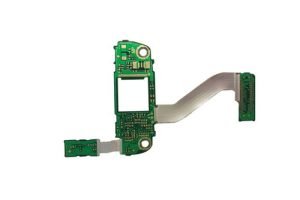
Rigid-flex PCBs, or rigid-flexible printed circuit boards, have become increasingly popular in high-speed and high-frequency applications due to their unique design and numerous benefits. These PCBs combine the best of both rigid and flexible PCBs, offering a solution that is both durable and versatile. In this article, we will explore the benefits of using rigid-flex PCBs in high-speed and high-frequency applications.
One of the key benefits of using rigid-flex PCBs is their ability to reduce the overall size and weight of electronic devices. By combining the rigid and flexible portions of the PCB into a single unit, designers can create more compact and lightweight devices. This is particularly important in high-speed and high-frequency applications where space is limited and weight can impact performance.
In addition to their compact size and lightweight design, rigid-flex PCBs also offer improved reliability and durability. The flexible portions of the PCB are less prone to damage from bending or vibration, making them ideal for applications where the PCB may be subject to mechanical stress. This increased durability can help to extend the lifespan of electronic devices and reduce the need for maintenance or repairs.
Another benefit of using rigid-flex PCBs in high-speed and high-frequency applications is their ability to reduce signal interference and crosstalk. The rigid portions of the PCB provide a stable platform for high-speed signals, while the flexible portions can be used to route signals around corners or obstacles. This helps to minimize signal loss and distortion, ensuring that high-speed and high-frequency signals are transmitted accurately and reliably.
Furthermore, rigid-flex PCBs offer improved thermal management compared to traditional PCBs. The flexible portions of the PCB can be used to create heat sinks or thermal vias, allowing for more efficient heat dissipation. This is particularly important in high-speed and high-frequency applications where heat can impact performance and reliability.
Additionally, rigid-flex PCBs offer greater design flexibility compared to traditional PCBs. Designers can create complex layouts and configurations that would be difficult or impossible to achieve with rigid or flexible PCBs alone. This flexibility allows for more innovative and efficient designs, leading to improved performance and functionality in high-speed and high-frequency applications.
Overall, the benefits of using rigid-flex PCBs in high-speed and high-frequency applications are clear. These PCBs offer a compact and lightweight design, improved reliability and durability, reduced signal interference and crosstalk, enhanced thermal management, and greater design flexibility. By incorporating rigid-flex PCBs into their designs, engineers can create electronic devices that are more efficient, reliable, and high-performing.