
Benefits of Using High-Quality Rigid Flex PCBs in Electronic Devices
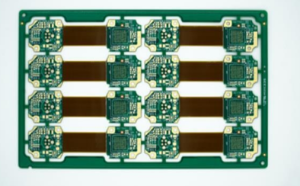
In the world of electronic devices, the demand for high-quality components is ever-increasing.
One crucial component that plays a significant role in the performance and reliability of electronic devices is the printed circuit board (PCB).
Among the various types of PCBs available, rigid flex PCBs have gained popularity for their unique design and flexibility.
These PCBs combine the benefits of both rigid and flexible PCBs, offering a versatile solution for a wide range of applications.
High-quality rigid flex PCBs are manufactured using advanced technologies and materials to ensure superior performance and durability.
These PCBs are designed to withstand harsh environmental conditions, such as temperature fluctuations, moisture, and mechanical stress, making them ideal for use in a variety of electronic devices, including smartphones, tablets, wearables, and medical devices.
One of the key benefits of using high-quality rigid flex PCBs in electronic devices is their compact and lightweight design.
Unlike traditional rigid PCBs, which are bulky and rigid, rigid flex PCBs are flexible and can be bent or folded to fit into tight spaces.
This flexibility allows for more compact and lightweight designs, making them ideal for portable and wearable devices where space is limited.
Another advantage of high-quality rigid flex PCBs is their reliability and durability.
These PCBs are designed to withstand high temperatures, humidity, and mechanical stress, ensuring long-term performance and reliability.
This makes them ideal for use in mission-critical applications where downtime is not an option.
Furthermore, high-quality rigid flex PCBs offer improved signal integrity and electrical performance.
The flexible design of these PCBs reduces signal loss and impedance mismatch, resulting in better signal quality and faster data transmission.
This is crucial for high-speed and high-frequency applications, such as 5G networks, IoT devices, and automotive electronics.
In addition to their performance benefits, high-quality rigid flex PCBs also offer cost savings and faster time-to-market.
The flexible design of these PCBs allows for simplified assembly and reduced component count, leading to lower manufacturing costs and faster production times. This is especially beneficial for companies looking to bring new products to market quickly and cost-effectively.
Overall, the use of high-quality rigid flex PCBs in electronic devices offers a wide range of benefits, including compact and lightweight design, reliability and durability, improved signal integrity, and cost savings. These PCBs are versatile and can be customized to meet the specific requirements of different applications, making them an ideal choice for a variety of industries, including consumer electronics, automotive, aerospace, and medical devices.
In conclusion, high-quality rigid flex PCBs are an essential component in the design and manufacturing of electronic devices.
Their unique design and flexibility offer a wide range of benefits, including improved performance, reliability, and cost savings.
By choosing high-quality rigid flex PCBs for your electronic devices, you can ensure superior performance and durability, giving you a competitive edge in today’s fast-paced and demanding market.