
Advantages of Using Rigid Flex PCBs in Electronic Devices
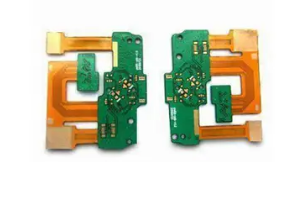
In the world of electronic devices, the demand for smaller, lighter, and more flexible components is constantly growing.
This is where rigid flex PCBs come into play. These innovative circuit boards offer a unique combination of rigid and flexible materials, allowing for greater design flexibility and reliability in electronic devices.
One of the key advantages of using rigid flex PCBs in electronic devices is their ability to reduce the overall size and weight of the device.
By combining the rigid and flexible materials into a single board, designers can eliminate the need for bulky connectors and cables, resulting in a more compact and lightweight product. This is especially important in industries such as aerospace, medical devices, and consumer electronics, where space and weight constraints are critical.
Another advantage of rigid flex PCBs is their ability to improve reliability and durability.
Traditional PCBs are prone to failure due to the constant movement and stress placed on the board during use.
Rigid flex PCBs, on the other hand, are designed to withstand bending, twisting, and vibration, making them ideal for applications where reliability is paramount. This increased durability can lead to longer product lifespans and reduced maintenance costs for manufacturers.
In addition to their size, weight, and reliability benefits, rigid flex PCBs also offer greater design flexibility.
Designers can create complex, three-dimensional shapes that would be impossible with traditional PCBs, allowing for more creative and innovative product designs. This flexibility also extends to the placement of components, as rigid flex PCBs can be customized to fit the specific layout requirements of the device.
Manufacturing rigid flex PCBs requires specialized equipment and expertise.
Companies that offer rigid flex PCB manufacturing services have the knowledge and experience to produce high-quality boards that meet the unique requirements of each project. From design and prototyping to production and testing, these companies can provide end-to-end solutions for manufacturers looking to incorporate rigid flex PCBs into their electronic devices.
When choosing a rigid flex PCB manufacturing service, it is important to consider the company’s experience, capabilities, and quality standards.
Look for a company that has a proven track record of delivering reliable and durable boards for a variety of industries.
Additionally, make sure the company has the equipment and expertise to handle the specific requirements of your project, whether it involves high-density interconnects, fine-pitch components, or complex geometries.
In conclusion, the advantages of using rigid flex PCBs in electronic devices are clear.These innovative circuit boards offer a unique combination of size, weight, reliability, and design flexibility that make them ideal for a wide range of applications. By partnering with a reputable rigid flex PCB manufacturing service, manufacturers can take advantage of these benefits and create products that are smaller, lighter, and more reliable than ever before.