
Benefits of Rigid-Flex PCB Assembly
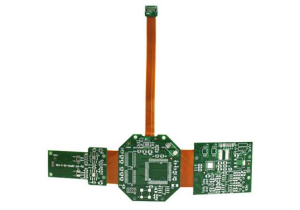
Rigid-flex PCB assembly is a technology that combines the benefits of rigid and flexible printed circuit boards into a single unit.
This innovative approach offers a wide range of benefits that can enhance the performance and reliability of electronic devices.
In this article, we will explore some of the key advantages of rigid-flex PCB assembly.
One of the primary benefits of rigid-flex PCB assembly is its ability to reduce the overall size and weight of electronic devices.
By combining rigid and flexible PCBs into a single unit, designers can create more compact and lightweight products.
This is particularly important in industries where space is limited, such as the aerospace and medical sectors.
Another advantage of rigid-flex PCB assembly is its ability to improve reliability.
Traditional PCBs are prone to failure due to factors such as vibration, shock, and thermal expansion.
Rigid-flex PCBs, on the other hand, are more resistant to these issues, making them ideal for applications where reliability is critical.
This can help to reduce maintenance costs and downtime, leading to increased customer satisfaction.
Rigid-flex PCB assembly also offers greater design flexibility.
Designers can create complex layouts that would be difficult or impossible to achieve with traditional PCBs.
This allows for more efficient use of space and improved signal integrity.
In addition, rigid-flex PCBs can be bent or folded to fit into tight spaces, making them ideal for applications where space is limited.
In terms of performance, rigid-flex PCB assembly offers several advantages.
The combination of rigid and flexible materials allows for better signal transmission and reduced electromagnetic interference.
This can lead to improved overall performance and reliability of electronic devices.
Additionally, rigid-flex PCBs can support higher component densities, allowing for more advanced features and functionality.
One of the key benefits of rigid-flex PCB assembly is its cost-effectiveness.
While the initial investment may be higher than traditional PCBs, the long-term savings can be significant.
Rigid-flex PCBs are more durable and reliable, reducing the need for frequent repairs or replacements.
This can help to lower overall maintenance costs and extend the lifespan of electronic devices.
Overall, rigid-flex PCB assembly offers a wide range of benefits that can enhance the performance and reliability of electronic devices.
From reducing size and weight to improving design flexibility and performance, this innovative technology is revolutionizing the electronics industry.
By investing in rigid-flex PCB assembly, manufacturers can create products that are more compact, reliable, and cost-effective, ultimately leading to greater customer satisfaction.